EN
EN
 AR
AR
 FR
FR
 DE
DE
 IT
IT
 KO
KO
 PT
PT
 RU
RU
 ES
ES
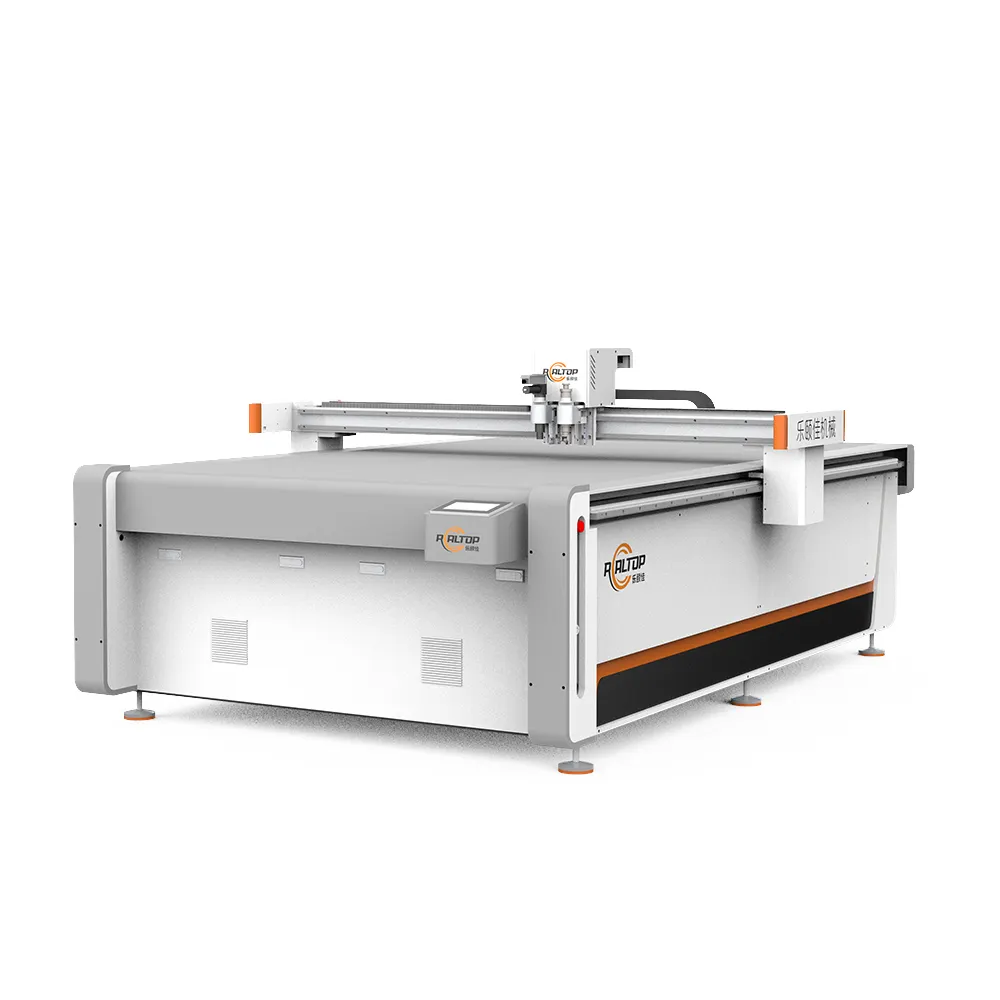
Le strutture produttive moderne devono affrontare una pressione crescente per ottimizzare le proprie operazioni di imballaggio mantenendo elevati standard qualitativi ed efficienza dei costi. Le macchine per il taglio dell'imballaggio si sono affermate come attrezzature essenziali che trasformano il modo in cui i produttori gestiscono i propri processi di imballaggio, offrendo significativi vantaggi rispetto ai metodi tradizionali di taglio manuale. Queste macchine sofisticate uniscono ingegneria di precisione e automazione avanzata per fornire risultati costanti, soddisfacendo i rigorosi requisiti del mercato competitivo odierno.
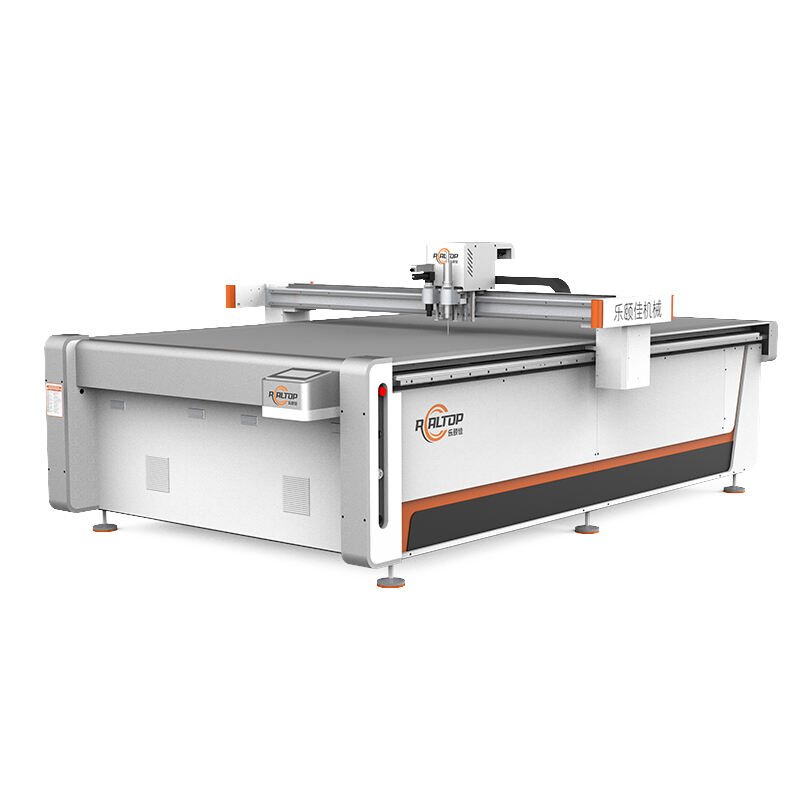
L'integrazione della tecnologia di taglio automatizzato rappresenta un cambiamento fondamentale nei metodi di produzione del packaging. I produttori che adottano questi sistemi riscontrano notevoli miglioramenti nell'efficienza operativa, nella costanza della qualità del prodotto e nella capacità produttiva complessiva. Comprendere i vantaggi completi offerti dalle macchine per il taglio del packaging aiuta i decisori a valutarne il potenziale ritorno sull'investimento e il valore strategico per la crescita aziendale a lungo termine.
Miglioramento dell'Efficienza e della Velocità di Produzione
Processi di Taglio Automatico
I sistemi di taglio automatico eliminano i processi manuali, tradizionalmente causa di collo di bottiglia nelle operazioni di imballaggio, che richiedono molto tempo. Queste macchine funzionano in modo continuo con intervento umano minimo, elaborando grandi volumi di materiali a velocità ben superiori a quelle possibili manualmente. Il ritmo operativo costante garantisce piani di produzione prevedibili e riduce le variabilità che spesso interrompono i flussi di lavoro produttivi.
Avanzato macchine per il taglio di imballaggi integrano sofisticati sistemi di controllo che ottimizzano le sequenze di taglio e la movimentazione dei materiali. Questa automazione intelligente riduce al minimo i tempi di allestimento tra diversi lavori di taglio e massimizza l'utilizzo produttivo dello spazio prezioso in officina. Il risultato è un notevole aumento dell'efficacia complessiva delle attrezzature, con un impatto diretto sulla redditività.
Minore dipendenza dalla manodopera
Le moderne macchine per il taglio riducono significativamente il numero di operatori necessari per la produzione di imballaggi, migliorando al contempo la sicurezza sul posto di lavoro. La minore necessità di interventi manuali comporta un ridotto rischio di infortuni da sforzo ripetitivo e incidenti legati all'uso di utensili taglienti. Questa efficienza nella manodopera consente ai produttori di riassegnare le risorse umane ad attività a maggior valore aggiunto, come il controllo qualità e l'ottimizzazione dei processi.
I requisiti semplificati di funzionamento riducono anche i lunghi periodi di formazione generalmente necessari per i processi di taglio manuale. I nuovi operatori possono diventare produttivi più rapidamente con sistemi automatizzati, riducendo l'impatto del turnover del personale e consentendo una gestione più flessibile del personale durante i periodi di picco produttivo.
Precisione e Controllo della Qualità Superiori
Precisione Costante nel Taglio
La tecnologia di taglio di precisione garantisce che ogni pezzo rispetti esatte specifiche dimensionali con variazioni minime. Questa coerenza elimina le fluttuazioni qualitative insite nei processi di taglio manuale, dove fattori umani come la stanchezza, il livello di competenza e la concentrazione possono influenzare i risultati. I sistemi automatizzati mantengono lo stesso livello di accuratezza durante lunghi cicli produttivi.
Le capacità di controllo preciso consentono ai produttori di lavorare con tolleranze più strette e schemi di taglio più complessi, che sarebbero difficili o impossibili da realizzare manualmente. Questa precisione apre opportunità per design innovativi dell'imballaggio e un migliore protezione del prodotto, mantenendo al contempo metodi di produzione economicamente efficienti.
Riduzione dei rifiuti e ottimizzazione dei materiali
Algoritmi avanzati di nesting integrati nei sistemi di taglio ottimizzano l'utilizzo del materiale disponibile organizzando i pattern di taglio in modo da ridurre al minimo gli scarti. Questi sistemi intelligenti analizzano le dimensioni del materiale e i requisiti di taglio per determinare le configurazioni di layout più efficienti. I risparmi derivanti dall'ottimizzazione del materiale possono rappresentare riduzioni significative dei costi, in particolare quando si utilizzano materiali per imballaggi costosi o specializzati.
La precisione costante nel taglio riduce anche i tassi di rifiuto associati alla non conformità dimensionale. Quando ogni taglio rispetta le specifiche, i produttori evitano i costi legati a ritocchi, sprechi di materiale e ritardi nella produzione causati da problemi di qualità.
Vantaggi operativi sui costi
Resoiti di investimento a lungo termine
Sebbene l'investimento iniziale in macchine per il taglio dell'imballaggio richieda un capitale significativo, i risparmi operativi a lungo termine offrono generalmente rendimenti interessanti. La riduzione dei costi del lavoro, un migliore sfruttamento dei materiali e una maggiore capacità produttiva si combinano per creare vantaggi di costo sostanziali rispetto ai metodi di taglio tradizionali. Molti produttori raggiungono periodi di recupero del capitale inferiori ai due anni grazie esclusivamente a miglioramenti operativi.
La durabilità e l'affidabilità delle moderne attrezzature per il taglio garantiscono prestazioni costanti nel corso di un'ampia vita operativa. Programmi adeguati di manutenzione possono estendere notevolmente la durata dell'attrezzatura, migliorando ulteriormente il costo totale di possesso e il rendimento dell'investimento. Queste macchine spesso funzionano in modo affidabile per decenni con le dovute cure e aggiornamenti periodici.
Efficienza Energetica e Sostenibilità
I sistemi moderni di taglio incorporano tecnologie energeticamente efficienti che riducono i costi operativi supportando al contempo gli obiettivi di sostenibilità ambientale. Controlli avanzati del motore e sequenze di taglio ottimizzate minimizzano il consumo energetico durante il funzionamento. Alcuni sistemi includono funzionalità rigenerative che recuperano energia durante determinate fasi operative.
La riduzione degli sprechi di materiale associata al taglio di precisione sostiene direttamente le iniziative di sostenibilità, minimizzando l'impatto ambientale della produzione di imballaggi. Un'utilizzazione efficiente del materiale riduce la quantità di materie prime necessarie e diminuisce i requisiti di smaltimento dei rifiuti, contribuendo alla responsabilità ambientale complessiva.
Vantaggi di flessibilità e adattabilità
Capacità di Elaborazione Multi-Materiale
Le moderne macchine per il taglio di imballaggi supportano un'ampia gamma di materiali, tra cui cartone, cartone ondulato, schiuma, fogli di plastica e materiali compositi. Questa versatilità consente ai produttori di consolidare diverse operazioni di taglio utilizzando un singolo sistema, riducendo i costi di investimento in attrezzature e semplificando i flussi produttivi.
La capacità di lavorare diversi tipi e spessori di materiale senza procedure di riattrezzaggio complesse offre una notevole flessibilità operativa. I produttori possono rispondere rapidamente a esigenze variabili dei clienti o alle richieste del mercato senza subire significativi interruzioni produttive né effettuare ulteriori investimenti in attrezzature.
Soluzioni Produttive Scalabili
I sistemi di taglio possono essere configurati per soddisfare specifiche esigenze produttive e ampliati in base all'evoluzione delle esigenze aziendali. Le progettazioni modulari consentono l'ampliamento della capacità mediante aggiunta di teste di taglio, sistemi di movimentazione materiali estesi o componenti di automazione integrati. Questa scalabilità protegge l'investimento iniziale nell'attrezzatura offrendo al contempo opportunità di crescita.
La natura programmabile di questi sistemi permette rapidi passaggi tra diverse linee produttive o configurazioni di imballaggio. I programmi di taglio memorizzati possono essere richiamati istantaneamente, eliminando i tempi di impostazione e riducendo la complessità nella gestione di portafogli prodotti diversificati.
Integrazione tecnologica e futuroproofing
Compatibilità con l'Industria 4.0
Le macchine avanzate per il taglio del packaging si integrano perfettamente con i moderni sistemi di esecuzione della produzione e le piattaforme di pianificazione delle risorse aziendali. Questa connettività consente il monitoraggio in tempo reale della produzione, la pianificazione della manutenzione predittiva e la generazione automatica di report sulla qualità. I dati prodotti da questi sistemi forniscono informazioni preziose per iniziative di miglioramento continuo.
Le funzionalità di monitoraggio remoto consentono ai produttori di tenere traccia delle prestazioni del sistema e identificare opportunità di ottimizzazione da qualsiasi posizione. Questa connettività supporta la gestione centralizzata di più impianti produttivi e permette una rapida risposta a problemi operativi o esigenze di manutenzione.
Innovazione Continua e Aggiornamenti
I principali produttori di macchine per il taglio degli imballaggi sviluppano continuamente nuove funzionalità e capacità che spesso possono essere installate su apparecchiature esistenti. Gli aggiornamenti del software possono aggiungere nuovi algoritmi di taglio, migliorare le velocità di elaborazione o potenziare le interfacce utente senza richiedere la sostituzione completa del sistema. Questo percorso di aggiornamento protegge l'investimento sulle attrezzature garantendo al contempo l'accesso alle ultime innovazioni tecnologiche.
La filosofia di progettazione modulare adottata da molti produttori facilita l'aggiornamento dei componenti e il miglioramento del sistema man mano che la tecnologia evolve. Questo approccio garantisce che le macchine per il taglio degli imballaggi rimangano produttive e competitive per tutta la durata operativa.
Domande Frequenti
Quali sono generalmente i requisiti di manutenzione delle macchine per il taglio degli imballaggi
Le macchine per il taglio dell'imballaggio richiedono una manutenzione regolare, che include l'affilatura o la sostituzione delle lame, la lubrificazione delle parti mobili, la calibrazione dei sistemi di taglio e gli aggiornamenti del software. La maggior parte dei produttori fornisce piani di manutenzione completi e programmi di formazione per garantire prestazioni ottimali. La manutenzione preventiva richiede in genere solo poche ore alla settimana ed estende significativamente la vita utile dell'attrezzatura mantenendo inalterata la qualità del taglio.
Come gestiscono le macchine per il taglio dell'imballaggio diversi spessori di materiale
I sistemi di taglio moderni regolano automaticamente i parametri di taglio in base alle specifiche del materiale programmate nel sistema. I sensori rilevano lo spessore e la densità del materiale, aggiustando automaticamente la velocità di taglio, la pressione e la profondità della lama per garantire risultati ottimali. Questa capacità di regolazione automatica consente un processo continuo di materiali che vanno da sottili film di plastica a spessi cartoni ondulati, senza necessità di intervento manuale.
Quali caratteristiche di sicurezza sono integrate nelle moderne macchine per il taglio di imballaggi
I sistemi di taglio moderni incorporano numerose caratteristiche di sicurezza, tra cui sistemi di arresto di emergenza, barriere fotoelettriche, tappetini sensibili alla pressione e aree di taglio chiuse con porte di accesso interlock. I sistemi avanzati includono sensori di movimento che arrestano il funzionamento quando del personale entra in zone di sicurezza designate. Queste misure di sicurezza complete superano gli standard del settore e riducono significativamente i rischi di incidenti sul lavoro rispetto alle operazioni di taglio manuale.
Le macchine per il taglio di imballaggi possono integrarsi con le linee di produzione esistenti
La maggior parte delle macchine per il taglio dell'imballaggio è progettata per un'integrazione perfetta con i flussi di produzione esistenti, grazie a connessioni standardizzate per nastri trasportatori e protocolli di comunicazione. Gli specialisti dell'integrazione collaborano con i produttori per progettare soluzioni personalizzate di movimentazione materiali che collegano i sistemi di taglio ai processi a monte e a valle. Questa capacità di integrazione consente ai produttori di potenziare le linee di produzione esistenti senza dover sostituire l'intero sistema.
Indice
- Miglioramento dell'Efficienza e della Velocità di Produzione
- Precisione e Controllo della Qualità Superiori
- Vantaggi operativi sui costi
- Vantaggi di flessibilità e adattabilità
- Integrazione tecnologica e futuroproofing
-
Domande Frequenti
- Quali sono generalmente i requisiti di manutenzione delle macchine per il taglio degli imballaggi
- Come gestiscono le macchine per il taglio dell'imballaggio diversi spessori di materiale
- Quali caratteristiche di sicurezza sono integrate nelle moderne macchine per il taglio di imballaggi
- Le macchine per il taglio di imballaggi possono integrarsi con le linee di produzione esistenti