EN
EN
 AR
AR
 FR
FR
 DE
DE
 IT
IT
 KO
KO
 PT
PT
 RU
RU
 ES
ES


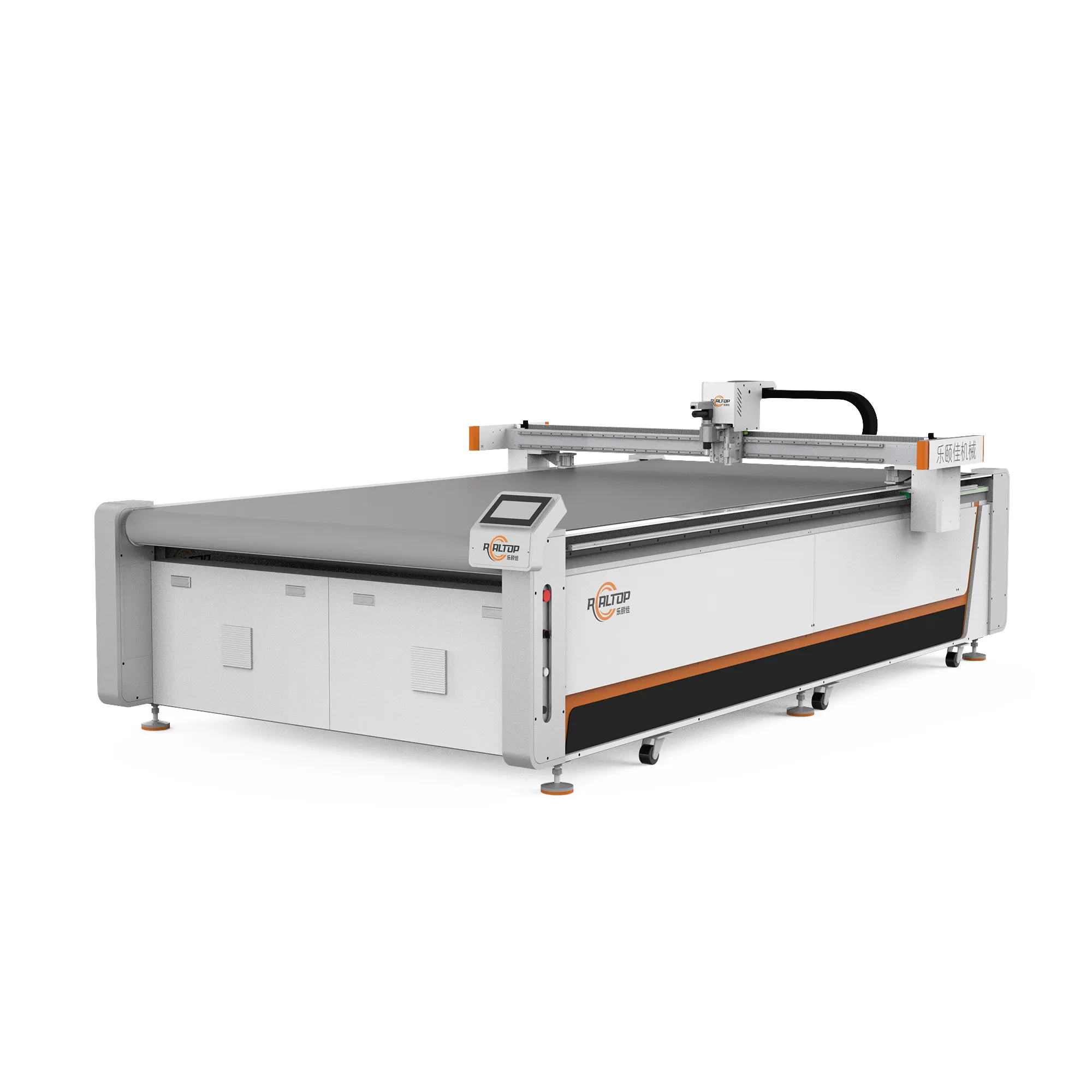
Modern manufacturing demands precision, efficiency, and cost-effectiveness, particularly in industries where material costs represent significant operational expenses. The leather industry faces unique challenges when processing complex patterns and designs, requiring advanced technological solutions that can deliver exceptional accuracy while minimizing waste. Traditional cutting methods often result in substantial material loss, reduced production speed, and inconsistent quality outcomes. A sophisticated leather cutting machine equipped with pattern recognition technology addresses these critical manufacturing challenges by combining computer-controlled precision with intelligent material optimization algorithms.
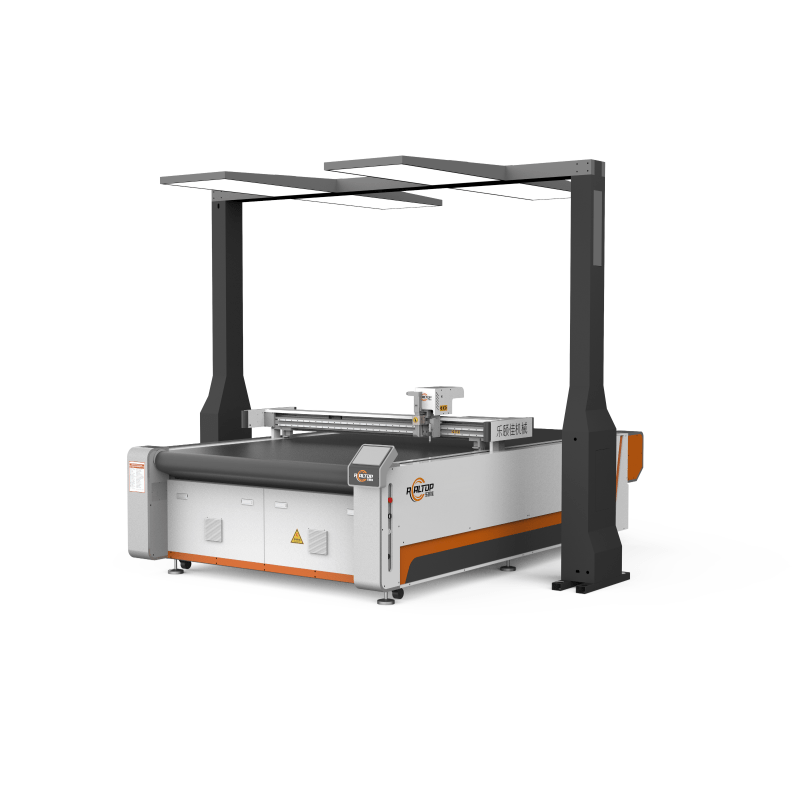
The evolution of cutting technology has transformed how manufacturers approach complex pattern processing and material utilization. Advanced systems integrate multiple technologies including computer vision, artificial intelligence, and precision mechanical components to achieve unprecedented levels of accuracy and efficiency. These innovations enable manufacturers to process intricate designs that would be virtually impossible to execute consistently using traditional manual methods. The result is a significant improvement in both product quality and manufacturing economics.
Advanced Pattern Recognition Technology
Computer Vision Integration
Contemporary leather cutting machine systems utilize sophisticated computer vision technology to analyze and interpret complex pattern designs with remarkable accuracy. These systems employ high-resolution cameras and advanced image processing algorithms to scan pattern templates, converting them into precise digital coordinates that guide the cutting process. The technology can identify intricate details, curved lines, and complex geometries that require exact reproduction across multiple pieces.
The computer vision component continuously monitors the cutting process, making real-time adjustments to ensure pattern accuracy and consistency. This technology eliminates human error associated with manual pattern tracing and positioning, delivering reproducible results that meet strict quality standards. Advanced systems can even detect and compensate for material variations, adjusting cutting parameters to maintain pattern integrity across different leather types and thicknesses.
Artificial Intelligence Optimization
Machine learning algorithms enhance the capabilities of modern cutting systems by continuously analyzing cutting patterns and material utilization data. These intelligent systems learn from previous cutting operations, identifying optimal placement strategies that maximize material usage while maintaining pattern accuracy. The AI component can process thousands of possible layout configurations in seconds, selecting the most efficient arrangement for any given set of patterns.
The artificial intelligence system also adapts to different material characteristics, adjusting cutting parameters based on leather type, thickness, and grain direction. This adaptive capability ensures consistent results across various material specifications while optimizing cutting speed and tool life. The continuous learning process means that system performance improves over time as it processes more cutting operations and accumulates operational data.
Precision Cutting Mechanisms
Multi-Axis Control Systems
Advanced leather cutting machine designs incorporate sophisticated multi-axis control systems that enable precise movement and positioning throughout the cutting process. These systems typically feature high-precision servo motors and linear guides that provide exceptional positioning accuracy, often within tolerances of less than 0.1mm. The multi-axis capability allows for complex cutting operations including curved cuts, angular adjustments, and three-dimensional pattern processing.
The control system coordinates multiple cutting heads simultaneously, enabling parallel processing of different pattern elements or multiple identical pieces. This parallel processing capability significantly increases production throughput while maintaining consistent quality across all cut pieces. The system can also automatically adjust cutting speed and pressure based on material characteristics and pattern complexity, optimizing both quality and efficiency.
Tool Selection and Management
Modern cutting systems feature automatic tool selection and management capabilities that optimize cutting performance for different pattern requirements and material types. The system maintains a library of cutting tools with varying blade geometries, each optimized for specific applications such as straight cuts, curved patterns, or perforated designs. Automatic tool changing reduces setup time and ensures that the most appropriate cutting tool is always selected for each operation.
The tool management system monitors blade condition and automatically replaces worn tools before they affect cutting quality. This predictive maintenance approach eliminates unexpected production interruptions and ensures consistent cutting performance. Advanced systems can even adjust cutting parameters automatically based on tool condition, compensating for normal wear patterns to maintain optimal results throughout the tool life cycle.
Material Waste Reduction Strategies
Intelligent Nesting Algorithms
One of the most significant advantages of advanced cutting systems is their ability to optimize material utilization through intelligent nesting algorithms. These sophisticated software systems analyze pattern requirements and material dimensions to determine the most efficient arrangement of pieces on each sheet of material. The leather cutting machine can process hundreds of possible arrangements in seconds, identifying configurations that maximize material usage while maintaining proper spacing and orientation requirements.
The nesting algorithms consider multiple factors including grain direction requirements, material defects, and pattern-specific constraints to optimize layout efficiency. Advanced systems can achieve material utilization rates exceeding 90%, representing significant cost savings compared to traditional cutting methods. The algorithms also account for cutting tool requirements, ensuring adequate clearance and approach angles for optimal cutting quality.
Real-Time Material Analysis
Contemporary cutting systems incorporate real-time material analysis capabilities that identify defects, variations, and optimal cutting zones within each piece of material. High-resolution scanning technology maps material characteristics including thickness variations, surface defects, and grain patterns, enabling the system to adjust cutting plans accordingly. This analysis ensures that critical pattern elements are positioned in optimal material areas while defective zones are avoided or utilized for less critical components.
The material analysis system can also identify opportunities for additional pattern placement within previously unused areas, further improving material utilization. By continuously monitoring material characteristics during the cutting process, the system can make real-time adjustments to optimize both quality and efficiency. This dynamic approach to material utilization significantly reduces waste compared to static cutting plans based on theoretical material specifications.
Production Efficiency Enhancement
Automated Workflow Integration
Modern leather cutting machine systems integrate seamlessly with broader production workflows, enabling automated material handling, pattern processing, and quality control operations. Automated material feeding systems eliminate manual handling, reducing labor requirements while improving processing speed and consistency. The integration extends to downstream operations including sorting, packaging, and inventory management, creating a comprehensive automated production environment.
The workflow integration includes comprehensive data tracking and reporting capabilities that provide detailed insights into production efficiency, material utilization, and quality metrics. This data enables continuous process improvement through detailed analysis of operational patterns and identification of optimization opportunities. The system can automatically adjust production parameters based on historical performance data, optimizing efficiency while maintaining quality standards.
Quality Assurance Systems
Integrated quality assurance systems continuously monitor cutting operations to ensure consistent pattern accuracy and edge quality throughout the production process. Advanced vision systems inspect each cut piece, comparing dimensions and edge characteristics against established quality standards. Any deviations are immediately identified and flagged for correction or rejection, preventing defective pieces from entering downstream operations.
The quality assurance system maintains comprehensive records of all cutting operations, enabling traceability and process improvement analysis. Statistical process control capabilities identify trends and patterns in quality data, enabling proactive adjustments to maintain optimal performance. This systematic approach to quality management ensures consistent output while minimizing waste associated with defective pieces.
Industry Applications and Benefits
Automotive Industry Applications
The automotive industry represents one of the largest applications for advanced leather cutting machine technology, requiring precise processing of complex patterns for seats, interior panels, and trim components. Automotive applications demand exceptional accuracy and consistency due to strict quality requirements and the need for precise fit and finish. Advanced cutting systems enable manufacturers to process intricate automotive patterns with the precision required for modern vehicle interiors.
The automotive industry benefits significantly from the waste reduction capabilities of advanced cutting systems, as leather represents a substantial material cost in vehicle production. Improved material utilization directly translates to reduced manufacturing costs and improved profitability. The ability to process complex patterns consistently also enables more sophisticated interior designs that would be difficult or impossible to achieve using traditional cutting methods.
Fashion and Luxury Goods Manufacturing
Fashion and luxury goods manufacturers utilize advanced cutting technology to process intricate designs and patterns that define high-end leather products. These applications often require exceptional precision and consistency to maintain the quality standards expected in luxury markets. The ability to reproduce complex patterns accurately across multiple pieces is essential for maintaining brand reputation and product quality.
The fashion industry particularly benefits from the rapid prototyping capabilities enabled by advanced cutting systems. Designers can quickly evaluate new patterns and designs without the time and cost associated with traditional pattern development methods. This capability accelerates product development cycles and enables more innovative designs that differentiate products in competitive markets.
Economic Impact and Return on Investment
Cost Reduction Analysis
The economic benefits of implementing advanced leather cutting machine technology extend beyond simple material waste reduction to encompass labor cost savings, improved production efficiency, and enhanced product quality. Material waste reduction alone can generate savings of 15-25% compared to traditional cutting methods, representing significant cost improvements for high-volume operations. These savings compound over time as material costs continue to increase.
Labor cost reductions result from automated operation and reduced setup requirements compared to manual cutting processes. Advanced systems typically require minimal operator intervention once programmed, enabling operators to manage multiple machines or focus on value-added activities. The reduction in skilled labor requirements also improves operational flexibility and reduces training costs associated with traditional cutting methods.
Productivity Improvements
Advanced cutting systems typically deliver productivity improvements of 200-400% compared to traditional manual cutting methods, depending on pattern complexity and production volumes. These improvements result from faster cutting speeds, reduced setup times, and the ability to process multiple pieces simultaneously. The productivity gains enable manufacturers to increase output without proportional increases in labor or facility requirements.
The productivity improvements also extend to downstream operations through improved consistency and quality of cut pieces. Higher quality cutting reduces time required for finishing operations and minimizes waste associated with defective pieces. This systematic improvement throughout the production process amplifies the economic benefits of advanced cutting technology.
Future Technology Developments
Integration with Industry 4.0
The evolution of cutting technology continues toward greater integration with Industry 4.0 principles including connectivity, data analytics, and autonomous operation. Future leather cutting machine systems will feature enhanced connectivity that enables real-time monitoring and control from remote locations, facilitating distributed manufacturing operations and centralized process optimization. Cloud-based analytics will provide insights into operational patterns across multiple facilities and production lines.
Predictive maintenance capabilities will become increasingly sophisticated, utilizing machine learning algorithms to predict maintenance requirements and optimize operational schedules. This predictive approach will minimize unplanned downtime while optimizing maintenance costs and system availability. The integration of augmented reality interfaces will enhance operator training and troubleshooting capabilities, reducing the skill requirements for system operation and maintenance.
Advanced Material Processing
Future developments in cutting technology will expand processing capabilities to include composite materials, synthetic leathers, and smart materials with embedded electronics or sensors. These advanced materials require specialized processing techniques and cutting parameters that current systems are being developed to accommodate. The ability to process these advanced materials will open new applications and market opportunities for manufacturers.
Multi-material processing capabilities will enable simultaneous cutting and assembly operations, combining different materials within single production cycles. This integration will reduce handling requirements and improve production efficiency while enabling more complex product designs. Advanced joining and bonding capabilities integrated within cutting systems will further expand manufacturing possibilities.
FAQ
What types of patterns can advanced leather cutting machines process effectively
Advanced leather cutting machine systems can process virtually any pattern design that can be digitally defined, including complex curved geometries, intricate decorative patterns, and multi-dimensional shapes. The systems excel at processing patterns with tight tolerances, small details, and repeated elements that would be difficult or impossible to cut consistently using manual methods. Pattern complexity is primarily limited by material characteristics rather than machine capabilities.
How much material waste reduction can manufacturers expect from implementing advanced cutting technology
Manufacturers typically achieve material waste reductions of 15-25% when implementing advanced cutting systems compared to traditional manual cutting methods. The actual waste reduction depends on factors including pattern complexity, material characteristics, and current cutting efficiency. Operations processing complex patterns or working with expensive materials often achieve higher waste reduction percentages due to the greater optimization opportunities available.
What maintenance requirements are associated with advanced leather cutting machines
Advanced cutting systems require regular maintenance including blade replacement, calibration checks, and software updates to maintain optimal performance. Most systems feature automated maintenance scheduling and predictive maintenance capabilities that minimize unplanned downtime. Typical maintenance requirements include daily cleaning and inspection, weekly calibration verification, and monthly comprehensive system checks. The automated maintenance features significantly reduce the skill level required for routine maintenance operations.
How do these systems handle different leather types and thicknesses
Modern leather cutting machine systems automatically adjust cutting parameters including speed, pressure, and blade selection based on material specifications and real-time feedback from cutting operations. The systems maintain libraries of cutting parameters for different leather types and can automatically identify optimal settings for new materials. Advanced systems can even process multiple leather types within single cutting operations, automatically adjusting parameters as needed for each material zone.
Table of Contents
- Advanced Pattern Recognition Technology
- Precision Cutting Mechanisms
- Material Waste Reduction Strategies
- Production Efficiency Enhancement
- Industry Applications and Benefits
- Economic Impact and Return on Investment
- Future Technology Developments
-
FAQ
- What types of patterns can advanced leather cutting machines process effectively
- How much material waste reduction can manufacturers expect from implementing advanced cutting technology
- What maintenance requirements are associated with advanced leather cutting machines
- How do these systems handle different leather types and thicknesses