EN
EN
 AR
AR
 FR
FR
 DE
DE
 IT
IT
 KO
KO
 PT
PT
 RU
RU
 ES
ES


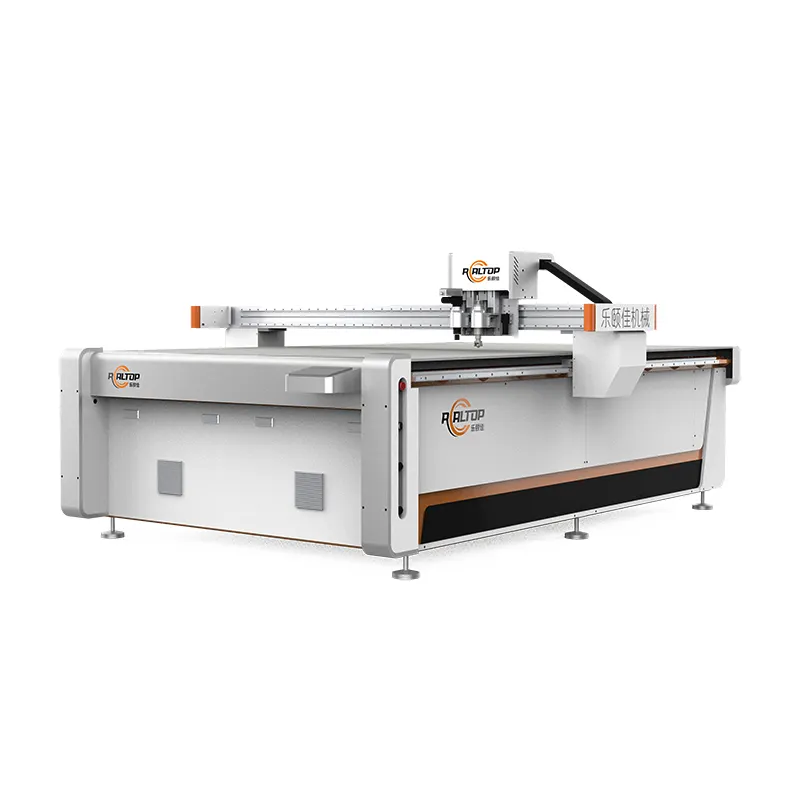
Selecting the right foam cutting machine requires careful consideration of material density specifications, cutting precision requirements, and production volume demands. Whether you're working with low-density polyurethane foams or high-density EVA materials, understanding the relationship between material properties and machine capabilities is essential for achieving optimal cutting results. The density of foam materials directly impacts cutting speed, blade selection, heat generation, and overall machine performance, making it crucial to match your equipment specifications with your specific material requirements.
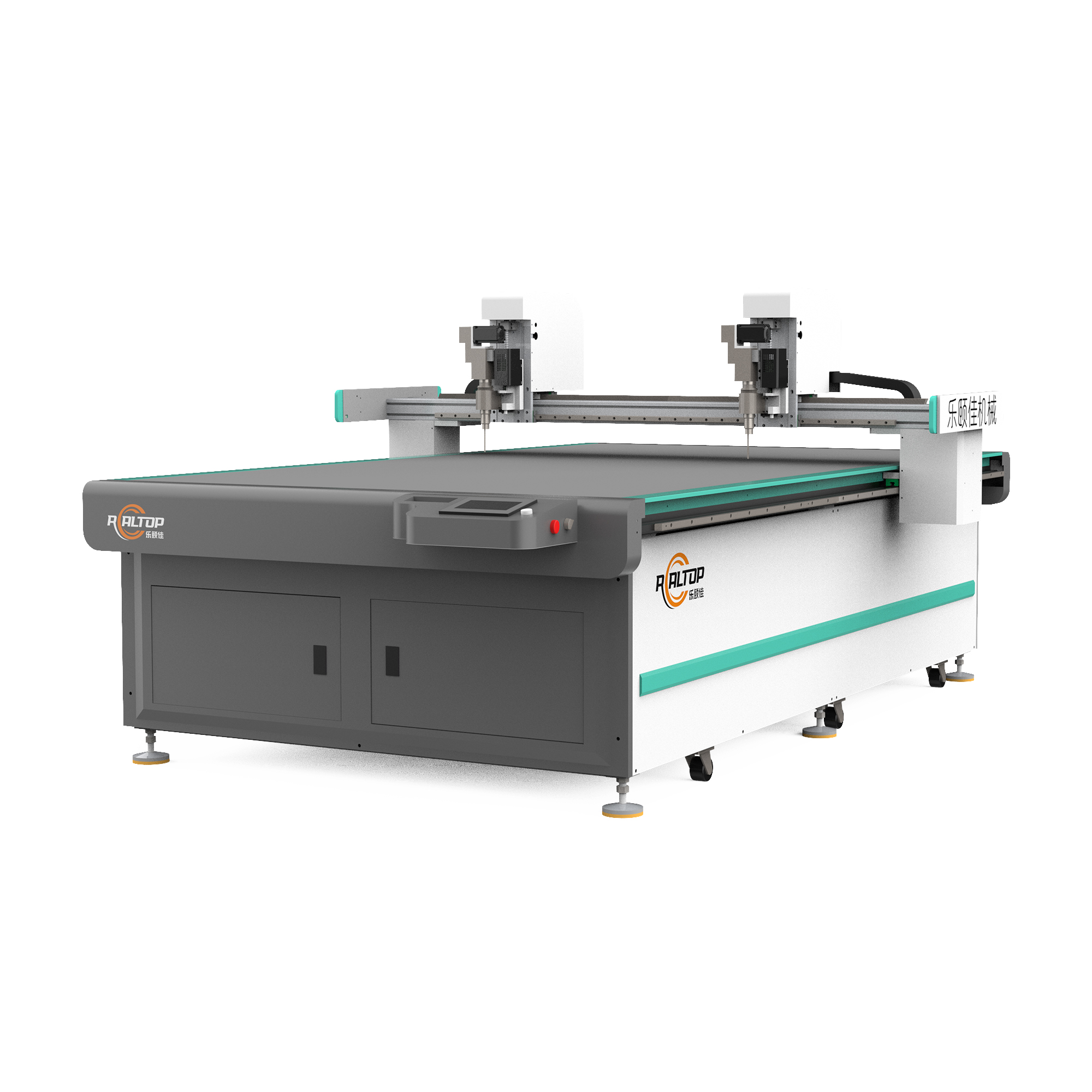
Understanding Foam Density Classifications and Their Impact on Cutting
Low-Density Foam Materials and Cutting Considerations
Low-density foams, typically ranging from 1.0 to 3.0 pounds per cubic foot, present unique challenges for foam cutting operations. These materials are characterized by their soft, compressible nature and tendency to tear rather than cut cleanly when subjected to excessive force or improper cutting techniques. A properly configured foam cutting machine for low-density materials must incorporate gentle handling mechanisms, reduced cutting speeds, and specialized blade geometries designed to minimize material compression during the cutting process.
The cellular structure of low-density foams requires cutting systems that can maintain consistent blade contact without crushing the material. Vacuum holding systems become particularly important when processing these materials, as traditional mechanical clamping can cause permanent deformation. Additionally, the cutting environment must be carefully controlled to prevent static electricity buildup, which can cause lightweight foam particles to cling to cutting surfaces and compromise cut quality.
Medium-Density Foam Processing Requirements
Medium-density foams, falling within the 3.0 to 6.0 pounds per cubic foot range, offer more structural stability during cutting operations while still requiring careful machine parameter optimization. These materials respond well to increased cutting speeds compared to their low-density counterparts, but still demand precise blade tracking and consistent feed rates to achieve clean, accurate cuts. The foam cutting machine selection process for medium-density materials should prioritize versatility and adjustability to accommodate varying thickness requirements and production volumes.
Temperature control becomes increasingly important when processing medium-density foams, as friction-generated heat can cause material melting or blade dulling. Effective chip evacuation systems are essential for maintaining cutting quality and preventing material buildup around cutting areas. The machine's control system should offer fine-tuned parameter adjustment capabilities to optimize cutting conditions for different foam formulations within this density range.
High-Density Foam Cutting Challenges
High-density foams, exceeding 6.0 pounds per cubic foot, present the most demanding cutting conditions and require robust foam cutting machine designs capable of handling increased cutting forces and heat generation. These materials often contain reinforcing additives or have closed-cell structures that significantly increase cutting resistance. Machine selection must prioritize high-torque drive systems, rigid frame construction, and advanced cooling mechanisms to maintain cutting performance over extended production runs.
The abrasive nature of high-density foams accelerates blade wear, making blade accessibility and replacement efficiency critical factors in machine selection. Additionally, these materials often require multiple cutting passes or specialized cutting sequences to achieve desired dimensional accuracy, necessitating programmable control systems with advanced path planning capabilities.
Critical Machine Features for Multi-Density Applications
Cutting System Adaptability and Blade Options
A versatile foam cutting machine must offer multiple blade configuration options to accommodate different material densities effectively. Hot wire cutting systems excel with low to medium-density foams, providing clean cuts with minimal material distortion. However, high-density materials may require oscillating knife systems or rotary blade configurations to penetrate effectively without excessive heat generation. The machine's blade mounting system should allow for quick changeovers between different cutting tools without requiring extensive setup time.
Blade tensioning mechanisms play a crucial role in maintaining cutting accuracy across different density ranges. Variable tension systems allow operators to optimize blade performance for each material type, preventing blade deflection in high-density materials while avoiding excessive tension that could damage low-density foams. Additionally, the machine should incorporate blade break detection and automatic shutdown features to prevent damage during unexpected cutting resistance increases.
Control System Sophistication and Programming Flexibility
Modern foam cutting machine control systems must offer sophisticated programming capabilities to handle the varying requirements of different density materials. Look for machines equipped with material-specific cutting profiles that automatically adjust cutting speed, feed rate, and blade parameters based on programmed material characteristics. These systems should include comprehensive material libraries with pre-configured settings for common foam types and densities.
Advanced control features such as adaptive cutting algorithms can automatically adjust cutting parameters in real-time based on cutting resistance feedback. This capability proves invaluable when processing materials with varying density throughout a single workpiece or when cutting composite foam structures. The control system should also provide detailed cutting data logging for quality control and process optimization purposes.
Workholding and Material Handling Capabilities
Effective material handling becomes increasingly complex when accommodating different foam densities on a single machine platform. Low-density materials require gentle vacuum holding systems with distributed suction patterns to prevent material deformation, while high-density materials may benefit from mechanical clamping systems that can apply sufficient holding force without damaging the material surface. The foam cutting machine should offer interchangeable workholding solutions or hybrid systems that can adapt to different material requirements.
Material feeding mechanisms must accommodate the varying compression characteristics of different foam densities. Adjustable feed roller pressure and automated thickness sensing capabilities ensure consistent material presentation to the cutting system regardless of foam density variations. Additionally, the machine should include material edge detection and automatic alignment features to maintain cutting accuracy when processing materials with different compression behaviors.
Performance Optimization Strategies for Different Densities
Cutting Speed and Feed Rate Optimization
Optimizing cutting parameters for different foam densities requires understanding the relationship between material properties and cutting dynamics. Low-density foams typically require slower cutting speeds to prevent tearing and maintain edge quality, while high-density materials can accommodate faster cutting speeds but may require reduced feed rates to manage cutting forces. The foam cutting machine should provide precise speed control with fine adjustment capabilities to achieve optimal cutting conditions for each material type.
Feed rate optimization involves balancing cutting productivity with quality requirements. Aggressive feed rates can cause blade deflection in high-density materials, leading to dimensional inaccuracies and poor surface finish. Conversely, excessively slow feed rates in low-density materials can cause heat buildup and material melting. Advanced machine controllers should offer automated parameter optimization based on material density input and desired quality specifications.
Temperature Management and Heat Dissipation
Heat management becomes increasingly critical when cutting higher-density foams due to increased friction and cutting resistance. The foam cutting machine must incorporate effective cooling systems, including both blade cooling and workpiece temperature control. Air blast cooling systems can effectively manage heat in most applications, while more demanding high-density cutting operations may require liquid cooling systems or specialized heat dissipation technologies.
Temperature monitoring capabilities should be integrated into the machine's control system to provide real-time feedback on cutting conditions. Automatic temperature-based cutting parameter adjustment can prevent overheating while maintaining productivity. Additionally, the machine should include thermal protection features that automatically adjust cutting speeds or initiate cooling cycles when predetermined temperature thresholds are exceeded.
Quality Control and Dimensional Accuracy
Maintaining consistent quality across different foam densities requires sophisticated measurement and control capabilities. The foam cutting machine should incorporate in-process measurement systems that can detect dimensional variations and automatically compensate for material compression or cutting tool deflection. Laser measurement systems or contact probes can provide real-time feedback on cutting accuracy and trigger corrective actions when tolerances are exceeded.
Edge quality monitoring becomes particularly important when cutting different density materials, as each density range presents unique challenges for achieving smooth, consistent cut surfaces. Optical inspection systems can automatically evaluate cut quality and provide feedback for parameter optimization. The machine should maintain cutting quality databases that correlate material properties with optimal cutting parameters for future reference and process improvement.
Economic Considerations and Return on Investment
Initial Investment Versus Operational Flexibility
When evaluating foam cutting machine options for multi-density applications, the initial investment must be balanced against long-term operational flexibility and productivity gains. Machines designed specifically for narrow density ranges may offer lower initial costs but limit future production capabilities and market opportunities. Conversely, highly flexible systems with comprehensive density handling capabilities represent larger initial investments but provide greater adaptability to changing market demands and material specifications.
Consider the total cost of ownership, including blade replacement frequency, maintenance requirements, and operator training needs when comparing different machine options. Systems with automated parameter optimization and material-specific cutting profiles can significantly reduce operator skill requirements and minimize setup time between different foam types. Additionally, evaluate the availability and cost of consumable items such as blades, cutting wires, and replacement parts across different machine platforms.
Production Efficiency and Throughput Analysis
Production efficiency varies significantly when cutting different foam densities, making it essential to analyze expected throughput rates for your specific material mix. A foam cutting machine optimized for high-density materials may achieve excellent productivity with dense foams but prove inefficient for low-density applications due to required speed reductions and setup changes. Conversely, machines designed primarily for low-density materials may lack the power and rigidity necessary for efficient high-density cutting.
Evaluate material changeover time requirements and their impact on overall production efficiency. Quick-change blade systems, automated parameter switching, and material-specific setup procedures can minimize downtime between different foam types. Additionally, consider batch size optimization strategies that group similar density materials to maximize machine efficiency while meeting delivery requirements.
Scalability and Future Expansion Considerations
The selected foam cutting machine should accommodate future business growth and material diversification without requiring complete equipment replacement. Modular machine designs allow for capability upgrades as production requirements evolve, while standardized control platforms can facilitate integration of additional cutting technologies. Consider the manufacturer's upgrade path options and compatibility with emerging cutting technologies when making equipment selection decisions.
Evaluate the machine's compatibility with automated material handling systems and integration capabilities with existing production equipment. Future expansion may require automated loading and unloading systems, integrated quality control equipment, or connection to enterprise resource planning systems. The selected machine platform should support these integration requirements without major modifications or replacements.
Maintenance and Longevity Factors
Preventive Maintenance Requirements Across Different Densities
Different foam densities place varying demands on foam cutting machine components, requiring tailored maintenance approaches to maximize equipment longevity. High-density materials accelerate wear on cutting tools, drive systems, and guide components, necessitating more frequent inspection and replacement schedules. Low-density materials may cause different maintenance challenges, such as particle accumulation in filtration systems or static electricity-related component issues.
The machine should include comprehensive maintenance monitoring systems that track component usage and wear patterns specific to different material densities. Automated maintenance scheduling based on actual cutting conditions rather than calendar intervals can optimize maintenance timing and reduce unexpected downtime. Additionally, easy access to critical wear components and standardized replacement procedures minimize maintenance complexity and reduce required technical expertise.
Component Durability and Replacement Strategies
Component selection and design should prioritize durability across the full range of intended foam densities while maintaining cost-effectiveness. Critical components such as drive motors, linear guides, and cutting tool holders must withstand the mechanical stresses associated with high-density cutting while maintaining precision for low-density applications. Evaluate component specifications and expected service life under different operating conditions to develop realistic replacement budgets and inventory requirements.
Consider standardization opportunities that allow common components across different machine configurations or manufacturers. Standardized bearings, motors, and control components can simplify inventory management and reduce replacement costs while ensuring reliable parts availability. Additionally, evaluate the availability of remanufactured or refurbished components as cost-effective alternatives for non-critical applications.
Safety Considerations for Multi-Density Operations
Hazard Assessment and Risk Management
Operating a foam cutting machine across different material densities introduces varying safety considerations that must be addressed through comprehensive risk assessment and mitigation strategies. High-density materials generate increased cutting forces and heat, potentially creating blade breakage risks and fire hazards. Low-density materials may produce fine particles that create respiratory concerns and static electricity accumulation that poses fire and equipment damage risks.
The machine should incorporate density-specific safety interlocks and monitoring systems that automatically adjust safety parameters based on material characteristics. Emergency stop systems must be easily accessible and capable of immediately shutting down all machine functions regardless of current cutting conditions. Additionally, comprehensive safety training programs should address the unique hazards associated with each foam density range and appropriate response procedures.
Environmental Controls and Operator Protection
Effective environmental controls become increasingly important when processing multiple foam densities due to varying particle generation rates and chemical emissions. The foam cutting machine should include adjustable ventilation systems capable of handling different particle sizes and generation rates associated with various foam types. HEPA filtration may be necessary for fine particles from low-density foams, while high-velocity extraction systems may be required for larger debris from dense materials.
Noise levels can vary significantly when cutting different foam densities, requiring appropriate hearing protection and acoustic enclosure considerations. The machine should include sound level monitoring and automatic noise reduction measures such as variable speed operation and acoustic dampening systems. Additionally, ergonomic considerations must account for different material handling requirements and operator interaction patterns across the full range of foam densities.
FAQ
How does foam density affect cutting blade selection and replacement frequency
Foam density significantly impacts both blade selection criteria and replacement intervals for optimal cutting performance. Low-density foams require sharp, thin blades with fine tooth configurations to prevent material tearing, while high-density materials need robust blades with aggressive tooth patterns to penetrate effectively. High-density foam cutting typically increases blade wear rates by 3-5 times compared to low-density applications, necessitating more frequent replacement schedules and higher blade inventory levels. The foam cutting machine should accommodate multiple blade types and include wear monitoring systems to optimize replacement timing based on actual cutting conditions rather than arbitrary schedules.
What control system features are essential for handling multiple foam densities effectively
Essential control system features include material-specific parameter libraries, adaptive cutting algorithms, and comprehensive data logging capabilities for multi-density foam processing. The system should automatically adjust cutting speed, feed rate, blade tension, and cooling parameters based on programmed material characteristics. Real-time monitoring of cutting forces, temperature, and dimensional accuracy enables automatic parameter optimization and quality control. Additionally, the control system should provide detailed production reports and maintenance scheduling based on actual material processing history to optimize operational efficiency across different foam densities.
How can I optimize production efficiency when frequently switching between different foam densities
Production efficiency optimization requires strategic batch scheduling, quick-change tooling systems, and automated parameter switching capabilities. Group similar density materials into production batches to minimize changeover time and maximize cutting parameter stability. Implement quick-change blade systems and automated setup procedures that can switch between material configurations in under 10 minutes. The foam cutting machine should include material-specific setup wizards that guide operators through changeover procedures and automatically configure all necessary parameters. Additionally, maintain dedicated tooling sets for each major density range to eliminate setup time between similar materials.
What safety considerations should I address when cutting both low and high-density foams on the same machine
Safety considerations must address the unique hazards associated with each foam density range, including particle generation, heat buildup, and cutting force variations. Implement density-specific ventilation requirements with adjustable extraction rates and filtration capabilities appropriate for different particle sizes and generation rates. Ensure emergency stop systems can handle maximum cutting forces from high-density materials while remaining sensitive enough for low-density applications. Establish comprehensive operator training programs covering material-specific hazards, appropriate personal protective equipment, and emergency procedures. The foam cutting machine should include automatic safety parameter adjustment based on material density input and continuous monitoring of critical safety parameters such as temperature, cutting force, and ventilation effectiveness.
Table of Contents
- Understanding Foam Density Classifications and Their Impact on Cutting
- Critical Machine Features for Multi-Density Applications
- Performance Optimization Strategies for Different Densities
- Economic Considerations and Return on Investment
- Maintenance and Longevity Factors
- Safety Considerations for Multi-Density Operations
-
FAQ
- How does foam density affect cutting blade selection and replacement frequency
- What control system features are essential for handling multiple foam densities effectively
- How can I optimize production efficiency when frequently switching between different foam densities
- What safety considerations should I address when cutting both low and high-density foams on the same machine