EN
EN
 AR
AR
 FR
FR
 DE
DE
 IT
IT
 KO
KO
 PT
PT
 RU
RU
 ES
ES


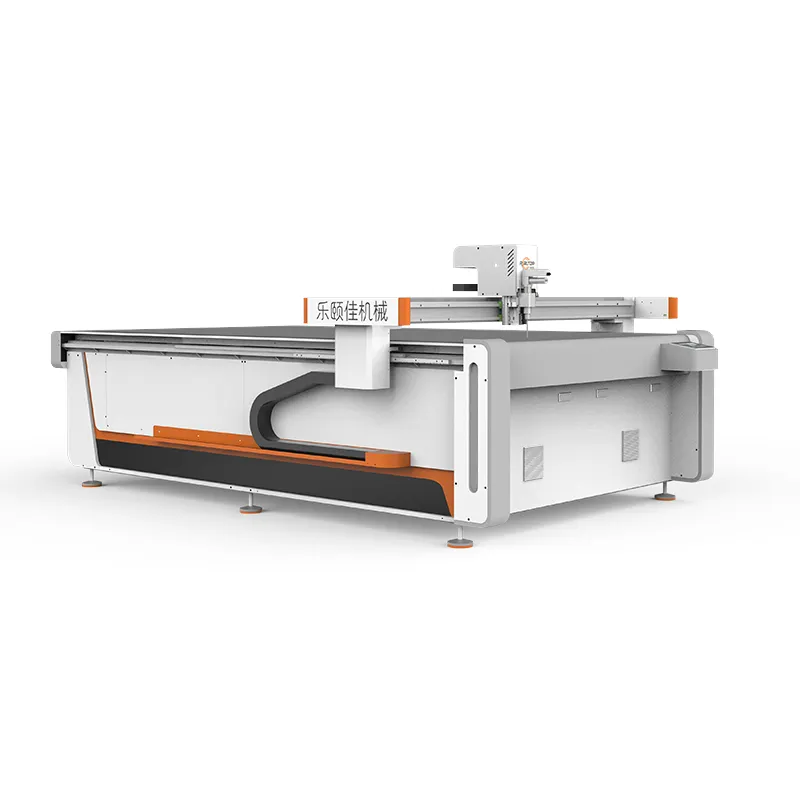
Modern manufacturing and design industries rely heavily on precision cutting technologies to create complex foam structures for various applications. A CNC foam cutting machine represents the pinnacle of automated foam fabrication, offering unparalleled accuracy and efficiency across multiple sectors. These sophisticated machines have revolutionized how businesses approach foam cutting projects, from protective packaging inserts to elaborate theatrical props. The versatility of CNC foam cutting technology makes it an indispensable tool for companies seeking to enhance their production capabilities while maintaining consistent quality standards. Understanding the diverse applications of these machines reveals why they have become essential equipment in today's competitive manufacturing landscape.
Revolutionary Applications in Packaging Industry
Protective Packaging Solutions
The packaging industry has embraced CNC foam cutting machines as essential tools for creating custom protective inserts and cushioning materials. These machines excel at producing precise foam cutouts that perfectly conform to product dimensions, ensuring optimal protection during shipping and storage. Electronics manufacturers particularly benefit from this technology, as delicate components require specialized foam packaging that traditional cutting methods cannot achieve. The ability to program specific cutting patterns eliminates human error and ensures consistent results across large production runs. Manufacturing companies report significant reductions in product damage rates when utilizing CNC-cut foam packaging solutions.
Advanced CNC foam cutting systems can handle various foam densities and types, from soft polyurethane to rigid polyethylene foams. This versatility allows packaging engineers to select optimal materials for specific protection requirements while maintaining cost-effectiveness. The precision of these machines enables the creation of complex geometries, including stepped cavities and angled surfaces that enhance product stability. Quality control departments appreciate the repeatability that CNC technology provides, as each foam insert maintains identical specifications regardless of production volume.
Sustainable Packaging Innovation
Environmental consciousness drives packaging companies to seek sustainable alternatives, and CNC foam cutting machines facilitate this transition effectively. These systems minimize material waste through optimized nesting algorithms that maximize foam utilization from each sheet or block. The precision cutting capability reduces the need for additional protective materials, as properly fitted foam inserts eliminate movement within packaging containers. Biodegradable foam materials can be processed with the same accuracy as traditional foams, supporting corporate sustainability initiatives without compromising protection quality.
The automation aspect of CNC foam cutting reduces energy consumption compared to manual cutting processes, contributing to overall environmental impact reduction. Companies implementing these systems often achieve zero-waste production goals through careful material planning and recycling of foam offcuts. The longevity of CNC-cut foam inserts also supports sustainability, as precise dimensions ensure proper fit and function throughout multiple product lifecycles.
Transforming Signage and Display Manufacturing
Dimensional Lettering and Graphics
Sign manufacturers have discovered exceptional value in CNC foam cutting machines for creating three-dimensional letters and graphic elements. These machines can cut foam blocks into precise letter shapes with smooth edges and consistent depths, eliminating the need for time-consuming hand finishing. The capability to program complex cutting paths enables the production of intricate fonts and decorative elements that were previously impossible to achieve economically. Advertising agencies appreciate the quick turnaround times possible with CNC technology, as digital design files translate directly into physical foam components.
Trade show displays benefit significantly from CNC foam cutting capabilities, as exhibitors require lightweight yet durable components that can be easily transported and assembled. The machines can create interlocking foam pieces that form larger structures, reducing shipping costs while maintaining visual impact. Custom architectural foam elements, such as columns and decorative panels, showcase the versatility of CNC cutting systems in creating complex three-dimensional forms. The precision of these machines ensures that foam components align perfectly during assembly, creating professional-quality displays that enhance brand presentation.
Prototype Development and Testing
Design studios utilize CNC foam cutting machines extensively for rapid prototyping of signage concepts and display elements. The speed and accuracy of these systems allow designers to quickly evaluate different size and shape options before committing to expensive final materials. Foam prototypes provide an excellent representation of final dimensions and proportions, enabling clients to visualize completed projects more effectively. The ability to modify digital cutting files and produce new prototypes within hours accelerates the design approval process significantly.
Mock-up creation for large-scale signage projects becomes economically feasible with CNC foam cutting technology. Architects and planners can evaluate installation requirements and visual impact using precisely scaled foam models before manufacturing final signs. This approach reduces costly revisions and ensures that completed signage meets all aesthetic and functional requirements. The versatility of CNC foam cutting machine technology supports both simple geometric shapes and complex organic forms, accommodating diverse design preferences across various industries.
Theatrical and Entertainment Industry Applications
Set Construction and Scenic Elements
Theater production companies have embraced CNC foam cutting machines as essential tools for creating detailed set pieces and scenic elements. These machines excel at producing lightweight props that maintain structural integrity while being safe for performers to handle. The ability to cut complex shapes from large foam blocks enables set designers to realize ambitious creative visions without the weight and expense of traditional materials. Rock formations, architectural details, and sculptural elements can be produced with remarkable accuracy and surface finish quality.
The speed of CNC foam cutting allows theater companies to adapt set designs quickly during production development. Changes to scenic elements can be implemented rapidly by modifying digital cutting files and producing new components within tight rehearsal schedules. Fire safety requirements in theatrical venues often mandate the use of flame-retardant materials, and CNC machines can process specialized foam formulations that meet these stringent safety standards. The precision cutting capability ensures that foam set pieces fit together seamlessly, creating convincing illusions that enhance audience engagement.
Costume and Character Effects
Costume departments utilize CNC foam cutting technology to create lightweight armor pieces, masks, and character accessories that performers can wear comfortably throughout entire productions. The machines can produce intricate details in foam that would require extensive hand carving using traditional methods. Multiple identical pieces can be manufactured for ensemble productions, ensuring consistency across all performers while maintaining individual character distinctiveness. The ability to hollow out foam pieces reduces weight while maintaining visual impact, addressing performer comfort concerns effectively.
Special effects teams rely on CNC foam cutting machines to create breakaway props and safety elements for action sequences. The precise control over foam density and cutting patterns allows effects designers to engineer pieces that break predictably under specific force conditions. Creature effects and prosthetic elements benefit from the smooth surface finishes achievable with CNC cutting, reducing post-processing time required for makeup application. The reproducibility of CNC-cut foam pieces ensures that backup props maintain identical characteristics for continuity during filming or extended theater runs.
Technical Advantages and Operational Benefits
Precision and Consistency Standards
CNC foam cutting machines deliver exceptional precision that manual cutting methods cannot match, with typical tolerances measuring within fractions of millimeters. This accuracy level enables manufacturers to create foam components that interface perfectly with other materials and assemblies. The consistency of CNC-cut pieces eliminates variations that could affect product performance or aesthetic quality. Quality assurance processes become more streamlined when utilizing CNC technology, as dimensional verification confirms that all pieces meet specified requirements without extensive individual inspection.
The repeatability of CNC foam cutting ensures that replacement parts and additional quantities maintain identical specifications regardless of production timing. This consistency proves valuable for companies maintaining inventory of foam components or offering long-term product support. Manufacturing documentation becomes more reliable when CNC cutting parameters are recorded, enabling exact reproduction of successful cutting operations. The elimination of human cutting variables results in predictable production outcomes that support accurate project scheduling and cost estimation.
Efficiency and Cost-Effectiveness
Operational efficiency improves dramatically when companies implement CNC foam cutting systems, as these machines can operate continuously with minimal supervision. The automation aspect reduces labor costs while increasing production capacity, enabling businesses to handle larger orders without proportional increases in staffing. Material utilization optimization through computer-controlled nesting reduces foam waste, directly impacting material costs and environmental impact. The speed of CNC cutting allows for rapid response to urgent orders and tight project deadlines that would be impossible to meet with manual cutting methods.
Long-term cost benefits become apparent as CNC foam cutting machines demonstrate exceptional reliability and longevity with proper maintenance. The precision of these systems reduces rejection rates and rework costs, improving overall production profitability. Energy efficiency of modern CNC systems contributes to reduced operational expenses while supporting corporate sustainability goals. Investment in CNC foam cutting technology typically demonstrates positive return within the first year of operation through increased production capacity and reduced material waste.
Future Developments and Industry Trends
Technology Integration Advances
The integration of artificial intelligence and machine learning algorithms into CNC foam cutting systems promises to revolutionize operational efficiency and cutting quality. Smart systems can automatically optimize cutting parameters based on foam material properties and desired outcomes, reducing setup time and improving results. Predictive maintenance capabilities help prevent unexpected downtime by monitoring machine performance and alerting operators to potential issues before failures occur. Cloud connectivity enables remote monitoring and control of CNC foam cutting operations, supporting distributed manufacturing strategies.
Advanced sensor integration allows CNC foam cutting machines to adapt cutting parameters in real-time based on material variations and environmental conditions. This adaptability ensures consistent cutting quality regardless of foam batch variations or temperature fluctuations. The development of multi-axis cutting capabilities expands the range of possible foam shapes and geometries, opening new application possibilities across various industries. Software advances continue to simplify programming and operation, making CNC foam cutting technology accessible to businesses without extensive technical expertise.
Market Expansion and Application Growth
The automotive industry represents a growing market for CNC foam cutting applications, particularly in interior component manufacturing and crash testing applications. Medical device manufacturers increasingly utilize foam cutting technology for creating custom padding and positioning aids for patient care equipment. The aerospace sector benefits from the lightweight properties of precisely cut foam components in aircraft interior and packaging applications. Educational institutions incorporate CNC foam cutting machines into manufacturing curricula, preparing students for careers in advanced manufacturing technologies.
International market expansion continues as developing economies embrace automation technologies to improve manufacturing competitiveness. The versatility of CNC foam cutting machines supports diverse cultural and regional product requirements while maintaining global quality standards. Rental and service models make advanced cutting technology accessible to smaller businesses that cannot justify equipment purchase costs. The growing emphasis on customization and personalization across consumer markets drives demand for flexible foam cutting solutions that CNC technology provides effectively.
FAQ
What types of foam materials can be processed with CNC cutting machines
CNC foam cutting machines can process a wide variety of foam materials including polyurethane, polyethylene, polystyrene, EVA foam, and specialized foams with specific properties like flame resistance or anti-static characteristics. The machines can handle different densities ranging from very soft cushioning foams to rigid structural foams. Most systems accommodate foam thicknesses from thin sheets up to blocks several inches thick, depending on the specific machine configuration and cutting head design.
How accurate are CNC foam cutting machines compared to manual cutting methods
CNC foam cutting machines typically achieve tolerances within 0.1 to 0.5 millimeters, which represents significantly higher accuracy than manual cutting methods. This precision level remains consistent throughout production runs, eliminating the variations inherent in hand cutting operations. The repeatability of CNC systems ensures that identical parts maintain the same dimensions regardless of when they are produced, supporting quality control requirements and interchangeability standards.
What maintenance requirements do CNC foam cutting machines have
Regular maintenance for CNC foam cutting machines includes cleaning cutting surfaces to remove foam debris, lubricating moving components according to manufacturer schedules, and replacing cutting blades or wire elements as they wear. Software updates should be installed periodically to maintain optimal performance and add new features. Most systems include diagnostic capabilities that monitor machine health and alert operators to maintenance needs, helping prevent unexpected downtime and extending equipment lifespan.
Can CNC foam cutting machines create complex three-dimensional shapes
Modern CNC foam cutting machines equipped with multi-axis capabilities can create complex three-dimensional shapes including curved surfaces, angled cuts, and intricate geometric patterns. Hot wire cutting systems excel at creating smooth curved profiles, while blade-based systems can produce sharp edges and precise angular cuts. The complexity achievable depends on the specific machine configuration, with some systems capable of five-axis simultaneous cutting for highly sophisticated foam sculptures and architectural elements.