EN
EN
 AR
AR
 FR
FR
 DE
DE
 IT
IT
 KO
KO
 PT
PT
 RU
RU
 ES
ES


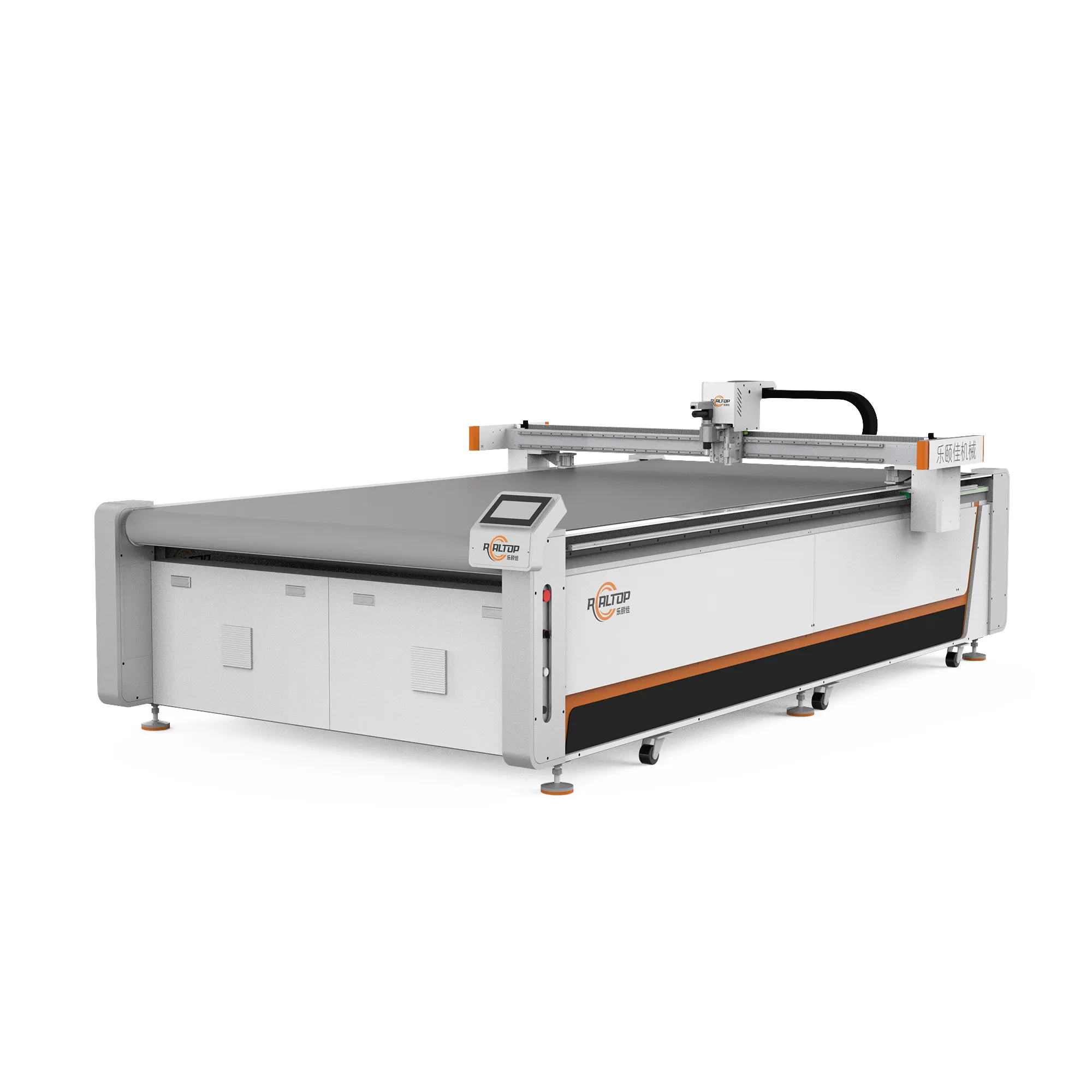
In today's competitive manufacturing landscape, precision and consistency are paramount for businesses producing automotive floor mats, industrial carpeting, and decorative rugs. The carpet mat cutting machine has emerged as a revolutionary solution that transforms traditional manual cutting processes into automated, high-precision operations. These advanced machines eliminate human error, reduce material waste, and deliver exceptional uniformity across production batches. As manufacturers seek to optimize their operations and meet increasingly demanding quality standards, understanding the capabilities and benefits of modern cutting technology becomes essential for sustainable business growth.
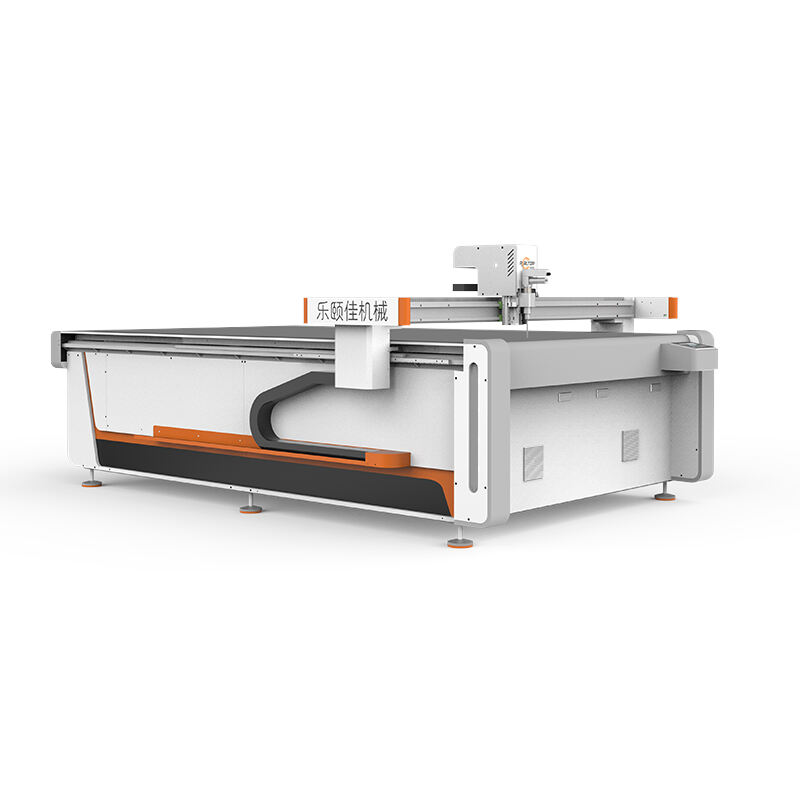
Advanced Technology Features in Modern Cutting Systems
Computer-Controlled Precision Engineering
Modern carpet mat cutting machines incorporate sophisticated computer numerical control systems that ensure millimeter-perfect accuracy across every cut. These systems utilize advanced algorithms to optimize cutting paths, reducing material consumption while maximizing output quality. The digital control interface allows operators to input complex patterns and specifications with ease, eliminating the guesswork associated with manual cutting methods. Real-time monitoring systems track blade performance and cutting speed, automatically adjusting parameters to maintain optimal results throughout extended production runs.
The integration of servo motors and linear guides provides exceptional positioning accuracy, enabling manufacturers to achieve tolerances that would be impossible with traditional cutting methods. Advanced sensor technology continuously monitors material positioning and thickness variations, automatically compensating for irregularities in the substrate. This level of precision control ensures that each mat produced meets exact specifications, regardless of production volume or operator skill level.
Multi-Layer Processing Capabilities
Contemporary cutting machines excel at processing multiple material layers simultaneously, dramatically increasing production efficiency while maintaining consistent quality across all layers. The pneumatic compression systems ensure uniform contact between layers, preventing shifting or misalignment during the cutting process. Variable vacuum zones secure materials firmly in place, accommodating different material types and thicknesses within the same production run.
Advanced blade technologies, including oscillating and rotary cutters, are specifically engineered to handle diverse material compositions from rubber compounds to synthetic fibers. The cutting depth control systems automatically adjust based on material specifications, ensuring clean edges without damaging underlying layers. This capability allows manufacturers to process complex laminated materials and achieve precise beveled edges that enhance the final product's aesthetic appeal.
Quality Consistency and Manufacturing Excellence
Automated Quality Control Systems
Integrated quality control systems within modern cutting machines continuously monitor production parameters to ensure consistent output quality. Vision systems inspect cut edges for defects, automatically flagging products that don't meet predetermined quality standards. Statistical process control algorithms track dimensional accuracy across production batches, identifying trends that might indicate equipment maintenance needs or process optimization opportunities.
The automated inspection capabilities extend beyond dimensional accuracy to include surface quality assessment and material integrity verification. Advanced imaging systems detect microscopic defects that could compromise product performance, ensuring that only premium-quality mats reach customers. Real-time data logging creates comprehensive quality records for each production batch, supporting traceability requirements and continuous improvement initiatives.
Repeatability and Standardization Benefits
The carpet mat cutting machine delivers unparalleled repeatability, ensuring that every product meets identical specifications regardless of production timing or operator involvement. Digital pattern storage eliminates variations that occur when patterns are manually traced or repositioned, creating perfect consistency across thousands of units. The machine's memory systems store cutting parameters for different products, enabling rapid changeovers between production runs without compromising quality.
Standardization extends beyond dimensional accuracy to include consistent edge quality, surface finish, and overall appearance. The controlled cutting environment eliminates variables such as operator fatigue, ambient temperature fluctuations, and material handling variations that can affect manual processes. This level of standardization is particularly valuable for manufacturers serving automotive OEMs or other industries with strict quality requirements.
Production Efficiency and Cost Optimization
Throughput Enhancement Strategies
Modern cutting machines significantly increase production throughput through optimized nesting algorithms that maximize material utilization and minimize cutting time. Intelligent software analyzes pattern layouts to determine the most efficient cutting sequence, reducing non-productive tool movements and material waste. Rapid tool change systems allow operators to switch between different cutting tools quickly, accommodating diverse material requirements without extended downtime.
The automated material handling systems streamline workflow by eliminating manual positioning and repositioning tasks. Conveyor integration enables continuous feeding of materials, supporting lights-out manufacturing operations that maximize equipment utilization. Advanced scheduling software coordinates multiple production orders, optimizing machine utilization while meeting delivery deadlines and quality requirements.
Material Waste Reduction Techniques
Sophisticated nesting software minimizes material waste by optimizing pattern placement within available material sheets. The software considers material grain direction, pattern orientation, and cutting tool requirements to achieve maximum yield from each material sheet. Real-time material tracking systems monitor consumption patterns, identifying opportunities for further waste reduction and cost optimization.
Advanced cutting techniques, such as common line cutting and bridging, further reduce material waste while maintaining product integrity. The precision control systems ensure minimal kerf width, maximizing the number of products that can be cut from each material sheet. Scrap material sorting systems separate reusable remnants from genuine waste, supporting recycling initiatives and reducing environmental impact.
Industry Applications and Market Advantages
Automotive Manufacturing Integration
The automotive industry demands exceptional precision and consistency in floor mat production, requirements that modern cutting machines fulfill with remarkable efficiency. These systems integrate seamlessly with automotive production schedules, accommodating just-in-time manufacturing requirements while maintaining quality standards. The ability to process diverse materials, from luxury carpet to heavy-duty rubber, makes these machines invaluable for automotive suppliers serving multiple market segments.
Traceability features support automotive quality management systems by maintaining detailed records of material sources, production parameters, and quality verification results. The rapid changeover capabilities enable manufacturers to serve multiple automotive platforms efficiently, adapting quickly to model changes and option variations. Integration with enterprise resource planning systems ensures seamless coordination between production planning and execution.
Commercial and Industrial Applications
Beyond automotive applications, carpet mat cutting machines serve diverse commercial and industrial markets including hospitality, retail, and facility management. The versatility to handle different material types and thicknesses makes these machines suitable for producing entrance mats, safety mats, and decorative floor coverings. Custom cutting capabilities enable manufacturers to serve niche markets with specialized requirements that manual processes cannot efficiently address.
The precision and consistency delivered by automated cutting systems are particularly valuable for commercial applications where appearance and durability are critical factors. Hotels, restaurants, and retail establishments require floor mats that maintain their appearance throughout extended use periods, making manufacturing consistency essential for customer satisfaction and repeat business opportunities.
Return on Investment and Business Impact
Cost Analysis and Financial Benefits
The investment in advanced cutting technology generates substantial returns through reduced labor costs, improved material utilization, and enhanced product quality. Labor cost reductions result from decreased manual handling requirements and reduced skill level needs for basic operations. The elimination of cutting errors and rework reduces material consumption and improves overall production efficiency.
Energy efficiency improvements contribute to ongoing operational cost reductions, as modern machines utilize optimized cutting paths and efficient motor control systems. Maintenance cost reductions result from automated diagnostics and preventive maintenance scheduling that minimize unplanned downtime. The extended equipment life achieved through proper automation reduces depreciation costs and capital replacement requirements.
Market Competitiveness Enhancement
Manufacturers utilizing advanced cutting technology gain significant competitive advantages through improved product quality, reduced lead times, and enhanced customization capabilities. The ability to consistently deliver high-quality products enables premium pricing strategies and customer loyalty development. Rapid prototyping capabilities support new product development initiatives and customer collaboration opportunities.
Market responsiveness improves dramatically through reduced setup times and flexible production scheduling capabilities. The ability to efficiently handle small batch orders expands market opportunities and customer base diversity. Quality consistency builds brand reputation and supports expansion into premium market segments where quality is the primary purchasing criterion.
FAQ
What materials can carpet mat cutting machines process effectively
Modern carpet mat cutting machines are engineered to handle a comprehensive range of materials including natural fiber carpets, synthetic carpets, rubber compounds, foam backing materials, and multi-layer composite structures. The advanced blade systems and cutting parameters can be adjusted to accommodate material thicknesses ranging from thin decorative fabrics to heavy-duty industrial materials up to several inches thick. Specialized cutting tools and techniques ensure clean edges across different material densities and compositions.
How do automated cutting systems improve production consistency compared to manual methods
Automated cutting systems eliminate human variability factors such as operator fatigue, skill level differences, and subjective decision-making that can affect manual cutting quality. Computer-controlled positioning ensures identical placement accuracy for every cut, while programmed cutting parameters maintain consistent speed, pressure, and depth across all production units. Digital pattern storage prevents the degradation and variation that occurs with physical templates over time.
What maintenance requirements are associated with modern cutting machines
Contemporary cutting machines feature automated diagnostic systems that monitor blade wear, motor performance, and calibration accuracy to schedule maintenance activities proactively. Regular maintenance typically involves blade replacement, lubrication of moving components, and calibration verification procedures that can be performed by trained operators. Advanced machines provide detailed maintenance schedules and automated alerts to minimize unexpected downtime and optimize equipment longevity.
Can cutting machines accommodate custom shapes and complex patterns effectively
Modern cutting systems excel at processing complex geometries and custom patterns through advanced CAD software integration and sophisticated motion control systems. The machines can import design files directly from computer-aided design programs, automatically generating optimized cutting paths for intricate shapes and detailed patterns. Multi-axis cutting capabilities enable the production of three-dimensional shapes and beveled edges that would be extremely difficult to achieve consistently through manual methods.
Table of Contents
- Advanced Technology Features in Modern Cutting Systems
- Quality Consistency and Manufacturing Excellence
- Production Efficiency and Cost Optimization
- Industry Applications and Market Advantages
- Return on Investment and Business Impact
-
FAQ
- What materials can carpet mat cutting machines process effectively
- How do automated cutting systems improve production consistency compared to manual methods
- What maintenance requirements are associated with modern cutting machines
- Can cutting machines accommodate custom shapes and complex patterns effectively