EN
EN
 AR
AR
 FR
FR
 DE
DE
 IT
IT
 KO
KO
 PT
PT
 RU
RU
 ES
ES


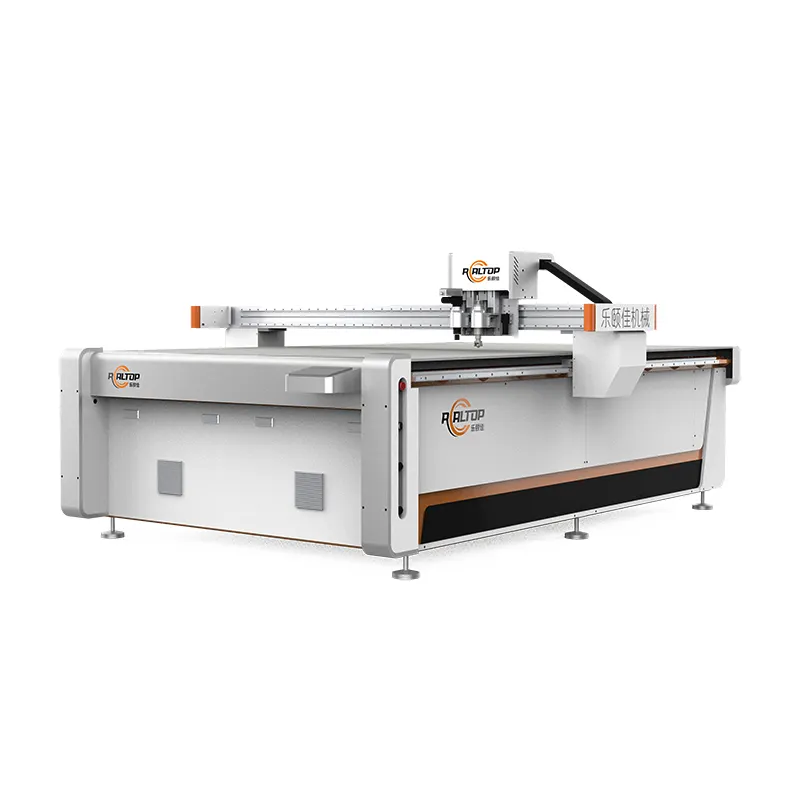
The advertising industry demands exceptional precision when producing marketing materials, signage, and promotional displays. Modern businesses rely heavily on accurate cutting technologies to maintain competitive advantage and deliver professional-quality results. An advertising printings cutting machine represents a significant technological advancement that transforms how companies approach their production workflows, offering unprecedented accuracy and efficiency in material processing.
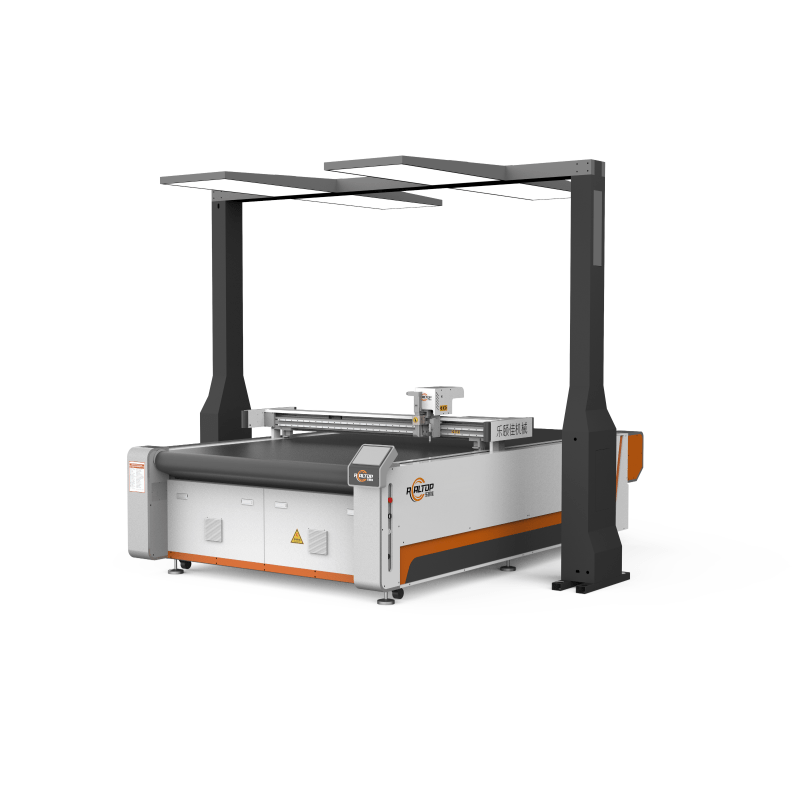
Traditional cutting methods often struggle with complex shapes, intricate designs, and varying material thicknesses that characterize modern advertising applications. The evolution toward automated cutting solutions addresses these challenges by incorporating advanced sensors, computer-controlled positioning systems, and sophisticated software algorithms that ensure consistent results across diverse project requirements.
Advanced Precision Technologies in Modern Cutting Systems
Computer-Controlled Positioning Mechanisms
Contemporary advertising printings cutting machine models utilize servo-driven positioning systems that achieve microscopic accuracy levels. These mechanisms employ high-resolution encoders and feedback control loops to maintain cutting head position within tolerances measured in thousandths of inches. The precision control extends beyond simple linear movements, incorporating complex trajectory planning that optimizes cutting paths for maximum efficiency and minimal material waste.
Advanced positioning systems integrate multiple axis control capabilities, allowing simultaneous coordination of cutting head movement, material advancement, and blade angle adjustment. This multi-dimensional precision ensures that complex geometric shapes maintain dimensional accuracy throughout the entire cutting process, regardless of material thickness variations or substrate irregularities.
Optical Recognition and Measurement Systems
Modern cutting machines incorporate sophisticated vision systems that continuously monitor material positioning and cutting accuracy in real-time. These optical recognition technologies utilize high-resolution cameras and laser measurement devices to detect registration marks, material edges, and surface variations that could affect cutting precision. The system automatically adjusts cutting parameters based on visual feedback, compensating for material movement or dimensional variations during operation.
Pattern recognition capabilities enable the machine to identify specific design elements and adjust cutting strategies accordingly. This intelligent approach ensures that delicate details receive appropriate cutting pressure while maintaining high-speed processing for simpler geometric shapes, optimizing both quality and productivity simultaneously.
Material Handling and Processing Capabilities
Multi-Material Compatibility Systems
Professional advertising applications require processing diverse materials including vinyl films, rigid substrates, textiles, foams, and composite materials. An advertising printings cutting machine equipped with adaptive processing capabilities automatically adjusts cutting parameters based on material properties detected through integrated sensors. These adjustments include blade selection, cutting speed, pressure application, and feed rates optimized for each specific material type.
The versatility extends to handling materials with varying surface textures, adhesive backing, and protective films without compromising cutting accuracy. Advanced machines incorporate material-specific cutting profiles stored in comprehensive databases, enabling operators to achieve optimal results without extensive manual parameter adjustment or trial-and-error processes.
Vacuum Hold-Down and Registration Systems
Maintaining precise material positioning throughout the cutting process requires sophisticated hold-down systems that prevent shifting or movement during operation. Modern machines employ segmented vacuum systems with independently controlled zones, allowing selective material restraint based on cutting area requirements. This approach minimizes material distortion while ensuring adequate holding force for accurate cutting execution.
Registration mark recognition systems work in conjunction with vacuum hold-down mechanisms to establish and maintain precise material alignment. The integration of these technologies enables consistent repeatability across multiple identical pieces, essential for large-scale advertising production runs where dimensional uniformity directly impacts assembly and installation processes.
Software Integration and Workflow Optimization
CAD Integration and Design Processing
Contemporary cutting systems seamlessly integrate with popular design software platforms, accepting native file formats from industry-standard applications. This direct integration eliminates conversion errors and maintains design fidelity throughout the production process. The advertising printings cutting machine software automatically optimizes cutting paths, minimizes tool changes, and reduces production time while preserving design integrity.
Advanced nesting algorithms maximize material utilization by automatically arranging multiple design elements on available substrate area. These optimization routines consider material grain direction, cutting tool requirements, and production sequence to minimize waste and reduce overall project costs while maintaining quality standards.
Quality Control and Monitoring Systems
Integrated quality control systems continuously monitor cutting performance through various sensor technologies. These systems track blade wear, cutting force variations, and dimensional accuracy to identify potential issues before they affect production quality. Automated alerts and diagnostic information enable proactive maintenance scheduling and parameter adjustments that maintain consistent precision throughout extended production runs.
Real-time monitoring capabilities provide detailed production analytics including cutting speeds, material usage efficiency, and quality metrics. This data enables continuous process improvement and helps operators identify optimization opportunities that enhance overall productivity while maintaining precision standards.
Production Efficiency and Economic Benefits
Throughput Enhancement Strategies
Modern advertising printings cutting machine designs incorporate multiple efficiency-enhancing features that significantly increase production throughput. High-speed cutting capabilities combined with intelligent tool path optimization reduce cycle times while maintaining precision requirements. Automated material loading and unloading systems minimize operator intervention and enable continuous production workflows.
Multi-tool configurations allow simultaneous processing of different cutting requirements without manual tool changes. This capability proves particularly valuable for complex projects requiring various cutting, creasing, and perforating operations within a single production sequence, dramatically reducing setup time and increasing overall efficiency.
Cost Reduction Through Precision
Enhanced cutting precision directly translates to reduced material waste, minimizing raw material costs and environmental impact. Accurate cutting eliminates the need for oversized safety margins traditionally required to accommodate cutting variations, optimizing material utilization across all project types. The precision also reduces rework requirements, saving both time and materials while improving customer satisfaction.
Consistent quality output reduces inspection requirements and quality control overhead, streamlining production workflows and reducing labor costs. The reliability of precision cutting systems enables operators to focus on higher-value activities rather than constant quality monitoring and correction procedures.
FAQ
What accuracy levels can modern advertising cutting machines achieve?
Contemporary advertising printings cutting machine systems typically achieve positioning accuracy within 0.001 inches (0.025mm) under normal operating conditions. Advanced models with laser positioning feedback can maintain even tighter tolerances, with repeatability specifications often exceeding 0.0005 inches. These precision levels remain consistent across various material types and thicknesses when properly calibrated and maintained.
How do cutting machines handle different material thicknesses automatically?
Modern machines incorporate automatic thickness detection systems using laser or ultrasonic sensors that measure material height at multiple points across the cutting area. The system automatically adjusts blade depth, cutting pressure, and feed rates based on detected thickness variations. This adaptive capability ensures consistent cut quality across materials ranging from thin films to thick rigid substrates without manual intervention.
What maintenance requirements are necessary to maintain cutting precision?
Maintaining optimal precision requires regular blade inspection and replacement according to manufacturer specifications, typically based on cutting hours or material footage processed. Daily cleaning of cutting area and vacuum systems prevents debris accumulation that could affect accuracy. Weekly calibration checks and monthly comprehensive system alignment procedures ensure continued precision performance throughout the machine's operational life.
Can these machines integrate with existing production management systems?
Most modern advertising cutting machines offer comprehensive connectivity options including Ethernet, USB, and wireless protocols that enable integration with existing production management and enterprise resource planning systems. Standard communication protocols allow real-time production monitoring, job scheduling, and inventory tracking integration. Many systems also provide API access for custom integration requirements and automated workflow management.