EN
EN
 AR
AR
 FR
FR
 DE
DE
 IT
IT
 KO
KO
 PT
PT
 RU
RU
 ES
ES


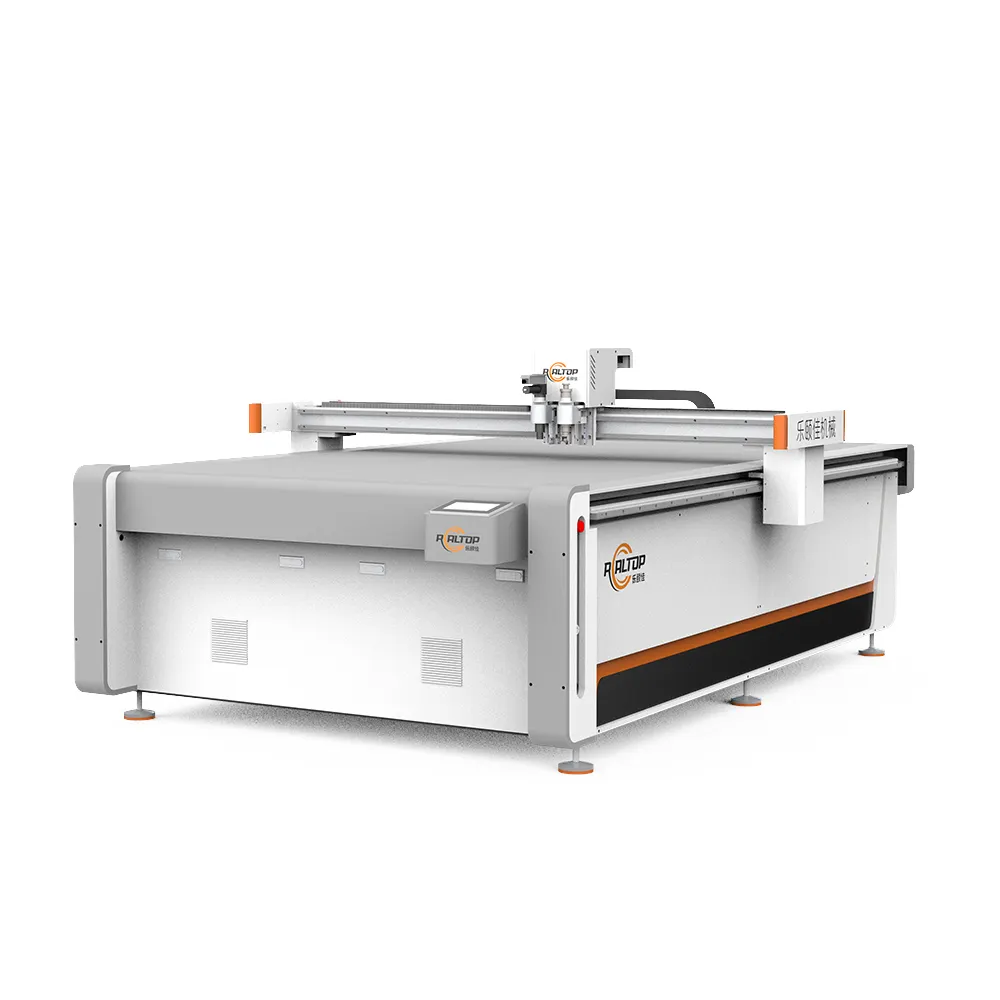
Modern textile manufacturing and crafting industries have witnessed revolutionary changes with the introduction of advanced cutting technologies. A fabric cutting machine represents one of the most significant innovations in precision textile processing, offering unprecedented accuracy and efficiency for quilting, upholstery, and various fabric-based projects. These sophisticated devices have transformed traditional manual cutting methods, enabling craftspeople and manufacturers to achieve consistent, professional results while dramatically reducing production time and material waste.
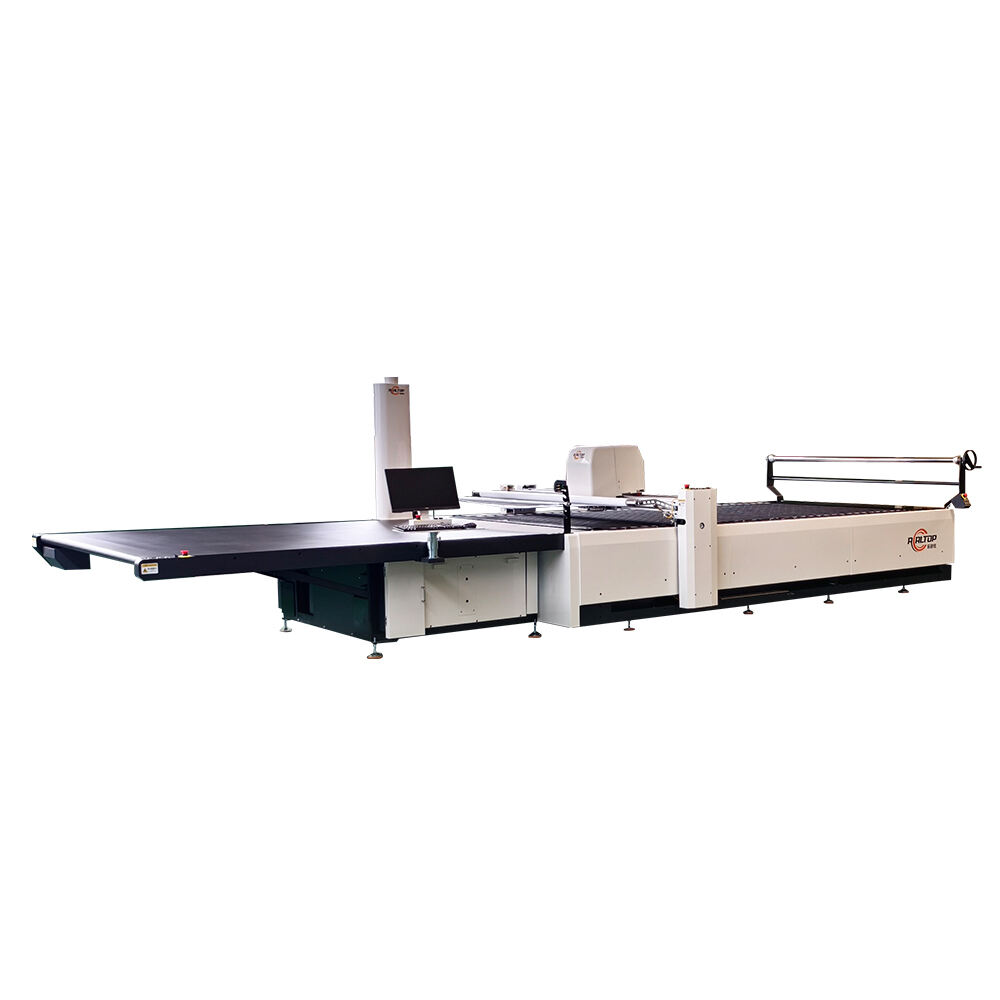
Revolutionary Precision in Textile Processing
Advanced Cutting Technology Integration
The integration of computer-controlled systems within modern fabric cutting machine designs has revolutionized how textile professionals approach their craft. These machines utilize sophisticated software that can interpret digital patterns with remarkable precision, translating complex designs into exact cutting paths. The technology eliminates human error associated with manual measurements and ensures every cut follows predetermined specifications with millimeter accuracy.
Contemporary fabric cutting machine models incorporate oscillating knife technology, laser cutting capabilities, and ultrasonic cutting methods depending on the specific application requirements. This technological diversity allows craftspeople to select the most appropriate cutting method for their particular fabric type, thickness, and project specifications. The result is consistently clean edges, reduced fraying, and optimal material utilization across diverse textile applications.
Enhanced Workflow Optimization
Professional quilting studios and upholstery workshops have experienced significant workflow improvements after implementing automated cutting solutions. A high-quality fabric cutting machine can process multiple layers simultaneously, dramatically reducing the time required for large-scale projects. This capability proves particularly valuable for commercial operations where consistent output and meeting tight deadlines are critical business requirements.
The automated nature of these machines allows operators to focus on other aspects of production while the cutting process continues unattended. This multitasking capability effectively increases overall productivity and enables businesses to handle larger project volumes without proportionally increasing labor costs or compromising quality standards.
Transformative Benefits for Quilting Applications
Precision Pattern Matching
Quilting projects often require intricate pattern matching and precise geometric shapes that can be challenging to achieve through traditional hand-cutting methods. A dedicated fabric cutting machine excels in creating uniform quilt blocks, ensuring perfect alignment and consistent dimensions across hundreds or thousands of individual pieces. This precision directly translates to professional-looking finished products with seamless pattern continuity.
Complex quilting designs involving curved cuts, intricate appliqué shapes, and detailed geometric patterns become significantly more manageable with automated cutting technology. The machine's ability to maintain consistent pressure and cutting speed results in smooth curves and sharp corners that would be difficult to replicate manually, especially when working with challenging fabrics like silk or delicate cotton blends.
Material Conservation Excellence
Efficient fabric utilization represents a crucial aspect of profitable quilting operations, and modern cutting machines excel in optimizing material usage. Advanced nesting software can arrange pattern pieces to minimize waste, often achieving material savings of twenty to thirty percent compared to traditional cutting methods. This optimization proves particularly valuable when working with expensive specialty fabrics or limited fabric quantities.
The precision offered by a fabric cutting machine also reduces the need for safety margins typically required in manual cutting, allowing for tighter piece placement and further material conservation. These savings accumulate significantly over time, contributing to improved project profitability and reduced environmental impact through decreased fabric waste.
Upholstery Industry Applications
Complex Shape Processing
Upholstery work frequently involves cutting complex three-dimensional shapes and curves that must fit precisely onto furniture frames. A professional-grade fabric cutting machine can handle these challenging geometries with exceptional accuracy, ensuring proper fit and professional appearance in the finished product. The machine's ability to maintain consistent cutting angles and pressure produces clean edges that facilitate easier sewing and assembly processes.
Traditional upholstery cutting often requires extensive template creation and manual tracing, processes that are both time-consuming and prone to dimensional variations. Automated cutting eliminates these inefficiencies while providing superior consistency across multiple identical pieces, particularly valuable for commercial furniture production or restoration projects requiring multiple matching components.
Heavy Fabric Handling Capabilities
Upholstery fabrics often include heavy materials like leather, vinyl, and dense woven textiles that can be challenging to cut accurately by hand. Modern fabric cutting machine designs incorporate powerful motors and specialized blade systems capable of processing these demanding materials with ease. The consistent cutting force ensures uniform edge quality regardless of material thickness or density variations.
The ability to cut multiple layers of heavy fabric simultaneously proves invaluable for large upholstery projects, allowing operators to process complete sets of matching pieces in single cutting operations. This capability significantly reduces production time while maintaining the precision necessary for professional upholstery work.
Technology Integration and Future Developments
Digital Design Connectivity
Modern fabric cutting machine systems integrate seamlessly with popular design software platforms, enabling direct transfer of digital patterns to the cutting system. This connectivity eliminates the need for physical templates and reduces the time between design completion and production start. Designers can make real-time adjustments and immediately see the results in the cutting process, facilitating rapid prototyping and design iteration.
Cloud-based pattern libraries and remote system monitoring capabilities represent emerging trends in cutting technology, allowing operators to access extensive design collections and monitor cutting progress from mobile devices. These developments promise to further streamline workflow and expand creative possibilities for textile professionals.
Artificial Intelligence Enhancement
Emerging fabric cutting machine models incorporate artificial intelligence algorithms that can automatically optimize cutting paths, predict maintenance requirements, and adjust cutting parameters based on fabric characteristics. These intelligent systems learn from operator preferences and cutting history to continuously improve performance and efficiency over time.
Machine learning capabilities enable automatic fabric defect detection and avoidance, ensuring that flawed areas are excluded from critical pattern pieces without operator intervention. This technology promises to further reduce material waste while maintaining consistently high quality standards across all cutting operations.
Economic Impact and ROI Considerations
Productivity Enhancement Metrics
Businesses implementing fabric cutting machine technology typically report productivity increases of two to five times compared to manual cutting methods. This improvement stems from faster cutting speeds, reduced setup times, and the ability to operate with minimal supervision. For commercial operations, these productivity gains translate directly into increased revenue potential and improved competitive positioning.
Labor cost reduction represents another significant economic benefit, as a single fabric cutting machine can often replace multiple manual cutters while maintaining higher accuracy standards. The reduction in skilled labor requirements also helps address workforce shortage challenges common in many textile manufacturing regions.
Quality Consistency Benefits
The consistent quality produced by automated cutting systems reduces rework requirements and customer complaints, contributing to improved customer satisfaction and repeat business. Professional upholsterers and quilting businesses report significant reductions in material waste and project delays after implementing fabric cutting machine technology.
Long-term maintenance costs for quality cutting machines remain relatively low compared to the ongoing expenses associated with manual cutting operations, including tool replacement, workspace requirements, and potential repetitive stress injury claims. These factors contribute to favorable total cost of ownership calculations for most commercial textile operations.
FAQ
What types of fabrics can be processed with a fabric cutting machine?
Modern fabric cutting machines can handle an extensive range of materials including cotton, silk, wool, synthetic blends, leather, vinyl, technical textiles, and composite materials. The key is selecting the appropriate cutting method and blade configuration for each specific material type. Most professional machines offer multiple cutting options including oscillating knives, laser cutting, and ultrasonic cutting to accommodate various fabric characteristics and thicknesses.
How much space is required for installing a fabric cutting machine?
Space requirements vary significantly based on the cutting table size and material handling needs of your specific applications. Typical installations require between 150 to 400 square feet of floor space, including areas for material loading, finished piece collection, and operator access. Additionally, adequate ventilation and electrical supply must be considered during installation planning to ensure optimal operating conditions and safety compliance.
What maintenance is required to keep a fabric cutting machine operating efficiently?
Regular maintenance includes daily cleaning of cutting surfaces, weekly blade inspection and replacement as needed, monthly calibration checks, and quarterly professional servicing of mechanical components. Most manufacturers provide comprehensive maintenance schedules and training programs to ensure optimal performance. Proper maintenance typically extends equipment life to ten to fifteen years while maintaining consistent cutting quality throughout the machine's operational period.
Can fabric cutting machines integrate with existing design software?
Yes, most contemporary fabric cutting machines offer compatibility with popular design software platforms including CAD programs, quilting design software, and pattern-making applications. Integration typically involves file format conversion capabilities and direct USB or network connectivity options. Many systems also support industry-standard file formats, enabling seamless workflow integration with existing design processes and pattern libraries.