EN
EN
 AR
AR
 FR
FR
 DE
DE
 IT
IT
 KO
KO
 PT
PT
 RU
RU
 ES
ES


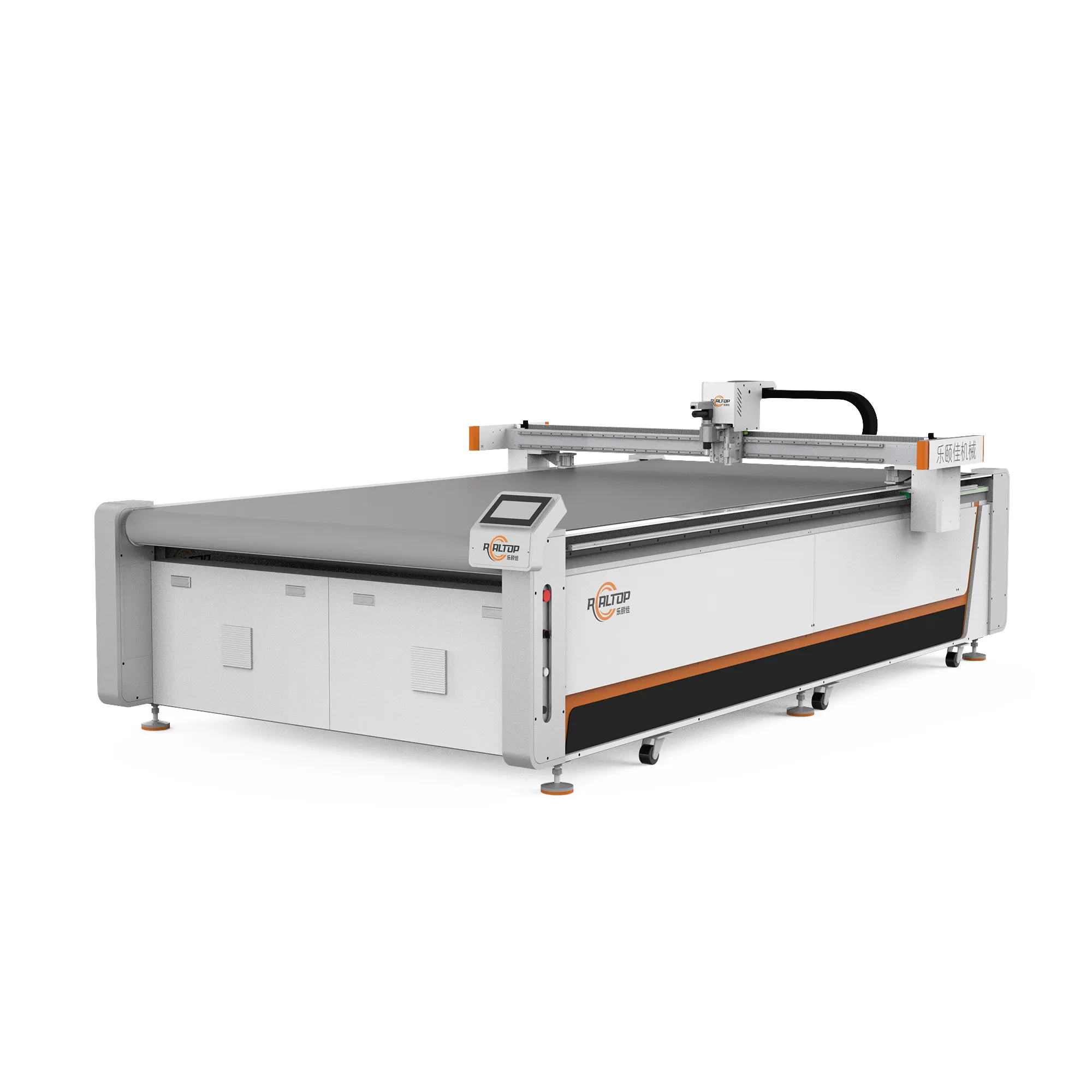
Selecting the right fabric cutting machine for your small business represents a critical investment that can significantly impact your production efficiency, product quality, and overall profitability. Whether you're operating a boutique fashion studio, custom upholstery shop, or textile manufacturing business, understanding which features matter most will help you make an informed decision that aligns with your operational needs and budget constraints. The modern fabric cutting machine market offers numerous options, each designed to address specific cutting requirements and production volumes.
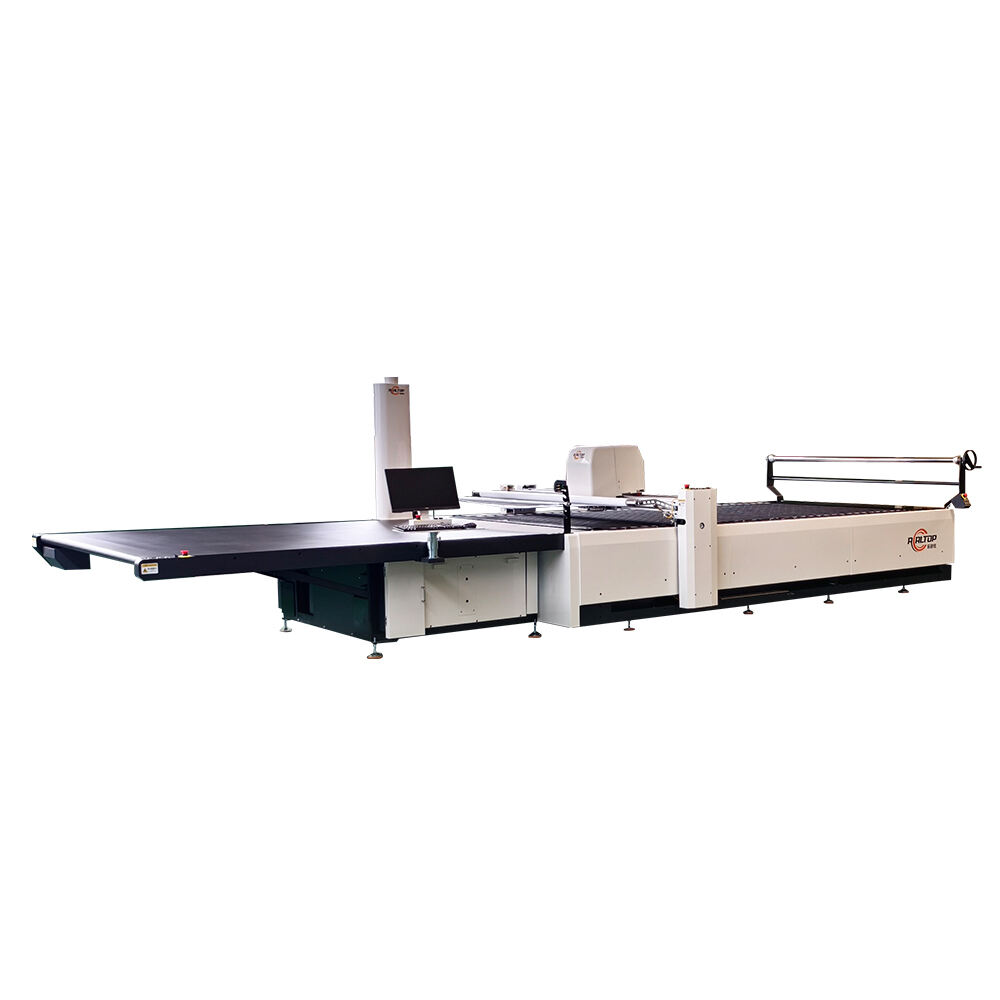
Modern fabric cutting technology has evolved dramatically, offering small business owners access to precision cutting capabilities that were once exclusive to large manufacturing facilities. Today's fabric cutting machine solutions combine advanced automation with user-friendly interfaces, enabling smaller operations to compete effectively in increasingly demanding markets. The key lies in identifying which features provide the greatest return on investment for your specific business model and production requirements.
Cutting Precision and Accuracy Requirements
Understanding Tolerance Specifications
Precision remains the cornerstone of any quality fabric cutting machine, directly affecting your final product quality and material waste levels. Modern cutting systems typically achieve tolerances within 0.1mm, ensuring consistent results across multiple layers and diverse fabric types. This level of accuracy becomes particularly crucial when working with expensive materials where waste reduction translates directly to improved profit margins. Small businesses must evaluate their tolerance requirements based on their target markets and quality standards.
The cutting precision of a fabric cutting machine depends heavily on its mechanical components, including guide systems, blade quality, and motion control technology. Linear guides and ball screws provide superior accuracy compared to belt-driven systems, though they typically command higher initial investments. For businesses producing high-end garments or technical textiles, investing in premium precision components often pays dividends through reduced waste and improved product consistency.
Multi-Layer Cutting Capabilities
Multi-layer cutting functionality allows your fabric cutting machine to process multiple fabric layers simultaneously, dramatically increasing production efficiency for batch orders. Quality systems can handle anywhere from 10 to 50 layers depending on fabric thickness and cutting complexity. This capability proves especially valuable for small businesses handling repeat orders or standard patterns where multiple identical pieces are required.
When evaluating multi-layer capabilities, consider both the maximum cutting thickness and the system's ability to maintain precision across all layers. Compression systems help ensure uniform cutting depth, while vacuum tables prevent fabric shifting during the cutting process. These features work together to maintain cut quality even when processing maximum layer counts, ensuring consistent results throughout your production runs.
Automation Levels and User Interface Design
Software Integration Capabilities
Modern fabric cutting machine systems offer varying levels of software integration, from basic pattern programming to full CAD/CAM connectivity. Advanced systems can import patterns directly from design software, automatically optimize material usage, and generate cutting paths that minimize waste while maximizing throughput. For small businesses, this level of integration can significantly reduce setup time and eliminate human error in pattern translation.
Consider the learning curve associated with different software platforms and ensure your chosen fabric cutting machine includes comprehensive training and support resources. Some systems offer cloud-based pattern libraries and remote troubleshooting capabilities, providing valuable support for small business operations that may not have dedicated technical staff. The software should also provide real-time monitoring capabilities, allowing you to track cutting progress and identify potential issues before they impact production schedules.
Ease of Operation and Training Requirements
User-friendly operation becomes critical for small businesses where multiple team members may need to operate the fabric cutting machine efficiently. Intuitive touchscreen interfaces, clear visual indicators, and simplified loading procedures help minimize training time while reducing the likelihood of operator errors. Look for systems that offer different user access levels, allowing you to restrict advanced functions while maintaining easy access to routine operations.
The best fabric cutting machine designs incorporate safety features that protect both operators and equipment while maintaining operational efficiency. Emergency stop systems, blade guards, and automatic shutdown features should be standard, while advanced systems may include predictive maintenance alerts and diagnostic capabilities. These features help ensure consistent operation while minimizing downtime and repair costs.
Material Compatibility and Versatility
Fabric Type Handling Range
Your fabric cutting machine should accommodate the full range of materials your business currently processes, plus potential future material additions. Different cutting technologies excel with different material types – rotary blades work well with woven fabrics, while oscillating knives handle both woven and knit materials effectively. Ultrasonic cutting provides clean edges for synthetic materials, while laser cutting offers precision for technical textiles.
Material thickness capability represents another crucial consideration, as your fabric cutting machine must handle everything from lightweight silks to heavy canvas or technical composites. Variable cutting parameters allow operators to adjust cutting speed, pressure, and blade selection based on specific material requirements. This flexibility proves especially valuable for small businesses that work with diverse material types or frequently introduce new products.
Cutting Tool Options and Flexibility
The availability of multiple cutting tool options extends your fabric cutting machine versatility and helps optimize cutting quality for different materials. Oscillating knives provide excellent performance for most textile applications, while rotary blades excel at high-speed cutting of stable materials. Specialized tools like creasing wheels for folding applications or marking pens for pattern indication can further enhance your system's capabilities.
Tool changing mechanisms should be quick and intuitive, allowing operators to switch between cutting methods efficiently. Automatic tool changers represent the premium option, enabling unattended operation for complex patterns requiring multiple cutting methods. For small businesses, manual tool changing systems often provide adequate functionality at significantly lower cost, provided the changing process remains simple and fast.
Production Speed and Throughput Considerations
Cutting Speed Optimization
Cutting speed directly impacts your production capacity, but optimal speed varies significantly based on material type, pattern complexity, and quality requirements. A high-performance fabric cutting machine should offer variable speed controls that allow operators to balance throughput with cutting quality based on specific job requirements. Faster speeds work well for simple patterns in stable materials, while complex curves or delicate fabrics may require slower, more precise cutting approaches.
Consider both cutting speed and overall cycle time when evaluating production capabilities. Loading and unloading procedures, pattern setup, and material positioning all contribute to total production time. Efficient workflow design can often provide greater productivity gains than pure cutting speed increases, making user-friendly operation and quick setup procedures valuable features for small business applications.
Workflow Integration and Efficiency
Effective workflow integration helps maximize your fabric cutting machine productivity by minimizing downtime between cutting operations. Automatic material feed systems can reduce loading time for roll materials, while conveyor unloading systems help clear finished pieces quickly. For small businesses, these automation features must be evaluated against their cost and complexity to ensure they provide genuine productivity benefits.
Pattern optimization software can significantly improve material utilization while reducing cutting time by identifying the most efficient cutting sequences. Advanced systems can automatically nest multiple patterns to minimize waste, adjust cutting paths to optimize tool movement, and schedule cutting operations to maximize throughput. These features become increasingly valuable as production volumes grow and material costs rise.
Maintenance Requirements and Long-Term Costs
Routine Maintenance Procedures
Regular maintenance keeps your fabric cutting machine operating at peak performance while extending equipment life and minimizing unexpected downtime. Daily maintenance typically includes cleaning cutting surfaces, checking blade condition, and verifying proper vacuum operation. Weekly procedures might involve lubricating moving components, inspecting belt tension, and cleaning filtration systems. Understanding these requirements helps you plan maintenance schedules and budget for routine consumables.
Modern fabric cutting machine designs increasingly incorporate maintenance-friendly features like accessible lubrication points, quick-change wear components, and diagnostic systems that alert operators to developing issues. These features help small businesses maintain their equipment effectively without requiring extensive technical expertise or specialized tools. Some manufacturers offer remote monitoring services that can predict maintenance needs and schedule service calls proactively.
Consumable Costs and Availability
Ongoing consumable costs represent a significant portion of total fabric cutting machine ownership expenses, making supplier reliability and part availability crucial considerations. Cutting blades, vacuum pumps, and filtration systems require regular replacement, with costs varying significantly between different cutting technologies and manufacturers. Evaluate both initial part costs and long-term availability when selecting your cutting system.
Blade life depends heavily on material types, cutting speeds, and maintenance practices, but quality blades should provide consistent performance for thousands of cutting operations. Some fabric cutting machine manufacturers offer blade reconditioning services that can reduce ongoing costs while maintaining cutting quality. Consider the total cost of ownership, including consumables, when comparing different cutting systems to ensure you make the most economical long-term choice.
Safety Features and Compliance Standards
Operator Safety Systems
Comprehensive safety systems protect your employees while ensuring compliance with workplace safety regulations. Modern fabric cutting machine designs incorporate multiple safety layers, including emergency stop systems, blade guards, light curtains, and two-hand operation controls for critical functions. These systems should be intuitive to use while providing complete protection during normal operation and maintenance procedures.
Safety training requirements vary based on cutting technology and system complexity, but all operators should understand proper procedures for loading materials, changing tools, and responding to emergency situations. Your fabric cutting machine supplier should provide comprehensive safety training and documentation that meets local regulatory requirements. Regular safety reviews help ensure continued compliance as regulations evolve and new operators join your team.
Environmental and Noise Considerations
Environmental impact and workplace noise levels increasingly influence fabric cutting machine selection, particularly for businesses located in mixed-use areas or those pursuing sustainability certifications. Electric drive systems typically produce less noise and eliminate emissions compared to pneumatic alternatives, while efficient dust collection systems help maintain clean working environments and protect sensitive electronic components.
Energy consumption affects both operating costs and environmental impact, making efficient motor systems and smart power management valuable features. Some fabric cutting machine designs incorporate sleep modes that reduce power consumption during idle periods, while variable-speed drives optimize energy usage based on cutting requirements. These features contribute to lower operating costs while supporting corporate sustainability initiatives.
Budget Planning and Return on Investment
Initial Investment Considerations
Fabric cutting machine pricing varies dramatically based on cutting technology, automation level, and precision capabilities. Entry-level systems suitable for small businesses typically start around $50,000, while advanced automated systems can exceed $200,000. Understanding your specific requirements helps identify the optimal balance between capabilities and cost, ensuring you invest in features that provide genuine business value without over-specifying your needs.
Financing options can help small businesses access advanced fabric cutting machine technology while preserving working capital for other operational needs. Leasing arrangements often include maintenance packages and upgrade options that can provide additional value. Some manufacturers offer trade-in programs that can reduce upgrade costs as your business grows and requires enhanced capabilities.
Productivity and Efficiency Gains
Calculating return on investment for your fabric cutting machine requires careful analysis of current production costs, including labor, material waste, and quality issues. Automated cutting systems typically reduce labor requirements while improving consistency and reducing waste, providing multiple sources of cost savings. Faster cutting speeds and improved material utilization can enable increased production capacity without proportional increases in overhead costs.
Quality improvements often provide significant but less obvious benefits, including reduced rework, improved customer satisfaction, and enhanced reputation. These factors can lead to increased business opportunities and higher profit margins that justify premium fabric cutting machine investments. Tracking these metrics helps demonstrate the system's value and guide future equipment decisions.
FAQ
How much space does a typical fabric cutting machine require?
Space requirements vary significantly based on cutting table size and material handling systems. Compact fabric cutting machine models designed for small businesses typically require 8x12 feet of floor space, including operator access areas. Larger systems with automatic loading may require 12x20 feet or more. Consider ceiling height requirements for exhaust systems and ensure adequate electrical service is available.
What type of training is required to operate a fabric cutting machine?
Most modern fabric cutting machine systems require 2-4 days of initial training for basic operation, with additional training for advanced features and software integration. Manufacturers typically provide on-site training as part of the installation process. Ongoing training needs are minimal for routine operation, but periodic refresher sessions help maintain optimal performance and safety compliance.
How long should I expect a fabric cutting machine to last?
Quality fabric cutting machine systems typically provide 10-15 years of reliable service with proper maintenance. Key factors affecting lifespan include operating hours, maintenance quality, and material types processed. Regular maintenance and timely replacement of wear components can extend equipment life while maintaining cutting quality and reliability throughout the system's operational period.
Can I upgrade my fabric cutting machine capabilities as my business grows?
Many fabric cutting machine manufacturers offer modular designs that allow capability upgrades over time. Software upgrades can add new features or improve cutting optimization, while hardware additions might include automatic loading systems or additional cutting tools. Discuss upgrade options with potential suppliers to ensure your initial investment can grow with your business needs.
Table of Contents
- Cutting Precision and Accuracy Requirements
- Automation Levels and User Interface Design
- Material Compatibility and Versatility
- Production Speed and Throughput Considerations
- Maintenance Requirements and Long-Term Costs
- Safety Features and Compliance Standards
- Budget Planning and Return on Investment
- FAQ